From hotel bar to heritage: why rakija belongs in your Serbian stay
Check into a riverside suite in Belgrade and the first serious question is not about the fortress view, but which serbian rakija craft spirits the bar team actually trusts. In the best luxury and premium hotels in Serbia, the sommelier now speaks about rakija, sljivovica and other fruit brandies with the same precision once reserved only for Champagne and Burgundy, guiding guests through serbian rakija flights that move from young, aromatic expressions to oak aged slivovitz plum with remarkable depth. As you scan the spirits list, you will notice that each serbian rakija is treated as a distinct fruit brandy, with its own unit price, serving ritual and pairing suggestions that quietly signal how central these craft spirits have become to the country’s hospitality identity.
In Belgrade’s leading properties, from Knez Mihailova to the Zemun waterfront, the bar manager will often highlight a specific family distillery from Šumadija or western Serbia, explaining how their plum rakija or quince brandy is produced in traditional copper stills yet bottled with modern precision. Guests who ask about the price of a premium plum brandy or a limited apricot brandy release are usually given context rather than just a number, with staff explaining how small batch production, careful fruit selection and long maturation affect both quality and price stara labels such as Stara Sokolova. When a bottle of stara sokolova or another respected serbian plum brandy appears on the trolley, you are encouraged to enjoy it by sipping neat at room temperature, which is the traditional Serbian way to appreciate these spirits rather than hiding them in cocktails.
For travelers using myserbiastay.com to compare hotels in Serbia, the depth of the rakija program is now a meaningful differentiator between otherwise similar five star properties. A concise spirits list that only offers generic brandy sljivovica tells you the hotel has not yet engaged with the new wave of serbian rakija craft spirits, while a page dedicated to fruit brandies from different regions of Serbia suggests a team that understands local terroir. When you see names like Kokanović Distillery, Belgrade Urban Distillery or Pashe Distillery on the menu, you can be confident that the hotel has gone beyond duty free stock and is working directly with producers whose rakija is often sold in limited quantities, sometimes with only a few hundred bottles available for on premise pickup each season.
The six fruits that define premium Serbian rakija in luxury hotels
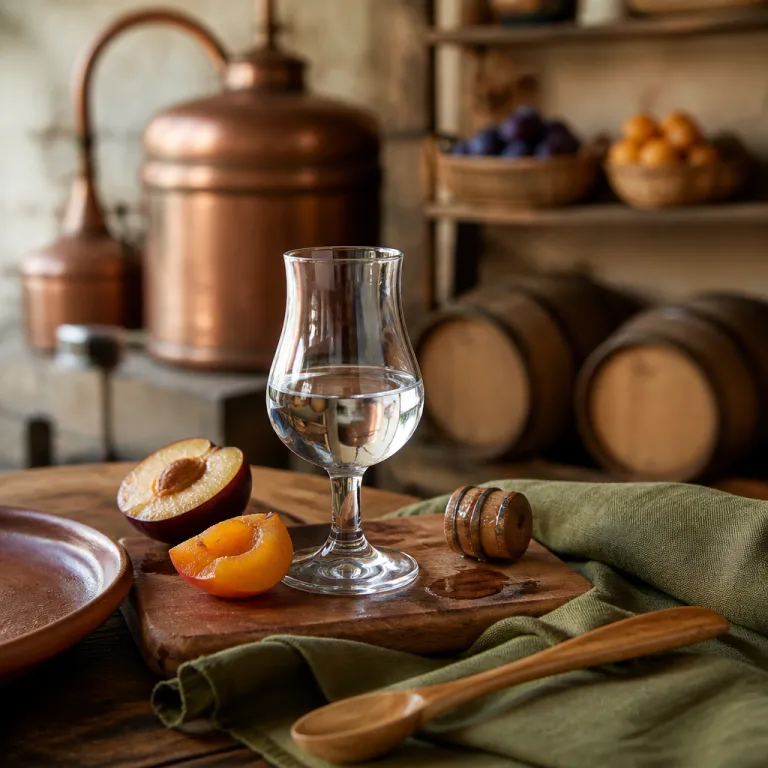
Ask a knowledgeable bartender in a Belgrade palace hotel to explain serbian rakija craft spirits and they will usually start with plum, or šljivovica, because plum rakija remains the backbone of the category. A serious plum brandy made from ripe Serbian plum varieties, slowly fermented and double distilled, offers layers of dried fruit, almond and gentle spice that reward slow sipping neat, especially when served at room temperature in a tulip glass rather than a shot glass. In the best hotel bars in Serbia, you will often find both a younger slivovitz plum expression and an older stara sokolova style, with the price difference clearly linked to barrel aging and limited production rather than just branding.
Quince brandy, apricot brandy and pear brandy bring a different, more perfumed side to serbian rakija craft spirits, and luxury properties now curate them with the same care they apply to wine lists built around Prokupac and Tamjanika. If you are planning a gastronomic itinerary, it is worth reading a detailed guide to Serbian grape varieties every wine lover should know on myserbiastay.com before you sit down, because the sommelier will often suggest pairing a quince brandy with cheese or an apricot brandy with dessert in the same way they might propose a local white wine. These fruit brandies are usually produced in smaller volumes than plum rakija, so the unit price per glass in a hotel bar can be higher, but guests quickly understand that the cost reflects the amount of fresh fruit required and the care taken at each stage of production.
Grape based rakija, cherry inflected styles and experimental blends are also appearing on premium hotel menus, yet the focus remains on clearly labeled fruit brandies that allow guests to compare regions and distilleries across Serbia. When you view a product description in a hotel bar menu or in a curated lobby shop, pay attention to whether the label specifies serbian plum, quince, apricot or pear, because that transparency is a hallmark of serious craft spirits. Staff who can explain how a family distillery in Šumadija handles fermentation differently from a producer in Vojvodina, or why one slivovitz is sold younger while another is held back in oak until the stock is ready, are the ones turning a simple drink into a masterclass in traditional Serbian hospitality.
Craft versus homemade: how luxury hotels curate serious rakija lists
Every traveler in Serbia will eventually be offered a homemade rakija, often poured from an unlabelled bottle with enormous pride, yet luxury hotels now act as gatekeepers for guests who want serbian rakija craft spirits that are both authentic and reliably produced. The difference between a casual village sljivovica and a carefully controlled plum rakija from a respected distillery lies in fruit selection, fermentation hygiene and precise cuts during distillation, all of which directly influence both flavor and safety. When a hotel chooses to work with a family distillery such as Kokanović Distillery or Pashe Distillery, they are signaling that they value traceable production and consistent quality over anonymous bulk spirits.
Belgrade Urban Distillery has become a reference point for urban craft spirits, and many high end hotel bars in the capital now feature its serbian rakija range alongside international whisky and Cognac. On a tasting flight, you might compare a classic plum brandy slivovica with a more aromatic quince brandy or a delicate apricot brandy, each served in small tulip glasses for sipping neat rather than shooting, which is a key distinction in premium hospitality. Some hotels even offer a guided rakija tasting as part of their gastronomy and dining program, where a local expert explains how traditional Serbian methods using copper stills are blended with modern equipment to control temperature and preserve fruit character.
Belgrade’s new wave restaurants, many of which are rewriting kafana classics for fine dining, have pushed hotels to elevate their own spirits programs to match. When you book a table at a property aligned with this movement, often highlighted in guides to new Balkan cuisine on myserbiastay.com, you will notice that the rakija list reads more like a wine list, with notes on region, fruit, production style and suggested pairings. Labels such as Stara Sokolova, Yebiga and other respected names are no longer just sold by the shot, but presented as craft spirits to be explored slowly, with staff ready to explain why the price stara expressions command reflects both aging time and the limited stock available each season.
From Belgrade bars to rural estates: where to taste and what to book
For a solo explorer using a luxury hotel as a base, Belgrade offers a compact yet sophisticated circuit of rakija bars and tasting rooms that can be reached easily by taxi or on foot. Start in the historic center, where several high end hotel bars now collaborate with Belgrade Urban Distillery to host guided flights of serbian rakija craft spirits, often pairing plum rakija with local charcuterie and quince brandy with aged cheeses. Along the Zemun waterfront, a handful of refined venues pour slivovitz plum and other fruit brandies from both urban and rural producers, giving you a broad view of what is currently being produced across Serbia without leaving the city.
Travelers who want to go deeper can ask their concierge to arrange a day trip to a family distillery in Šumadija or western Serbia, where orchards, copper stills and cellar rooms create a complete narrative around each bottle. Many of these estates operate on a reservation only basis, so it is wise to book tours in advance and confirm whether tastings are included in the price or charged per flight, especially if you plan to buy serbian rakija to take home. Some properties offer on site pickup of pre ordered bottles, which is useful if a particular slivovitz or fruit brandy is in short stock and sold out in city shops by the time you return.
Rakija tasting tours have become a discreet but powerful trend in luxury travel to Serbia, with concierges increasingly familiar with which distilleries welcome visitors and which remain strictly production focused. When planning your itinerary, it is worth reading practical guidance on border formalities and the new entry exit system for Serbian travelers on myserbiastay.com, because duty free allowances and customs rules will shape how many bottles you can legally carry. A well organized day that moves from orchard to still to tasting room, ending back at a five star hotel bar for a final glass of pear brandy at room temperature, offers a complete immersion in traditional Serbian craft spirits culture without sacrificing comfort.
Buying, bringing home and the ritual of drinking rakija well
Once you have fallen for serbian rakija craft spirits during your hotel bar tastings, the next question is which bottles deserve space in your suitcase and how to evaluate their value. In curated hotel shops and specialist stores across Serbia, you will see premium plum brandy, quince brandy, apricot brandy and pear brandy presented with clear information on fruit origin, distillery name, alcohol level and suggested serving, which helps you compare more than just the shelf price. When you view a product label, look for details such as single orchard fruit, family distillery ownership and small batch production, because these usually justify a higher unit price and indicate that the bottle is part of a limited stock rather than a mass market spirit sold everywhere.
Airport duty free can be convenient for last minute purchases, yet the most characterful serbian rakija often never reaches those shelves, remaining instead in the cellars of producers like Kokanović Distillery or in the portfolios of niche importers such as Yebiga in the United States. If you plan to buy several bottles of slivovitz plum or other fruit brandies, ask hotel staff about current customs limits and whether any special packaging is needed for safe transport, especially if you are combining checked luggage with cabin pickup. Some travelers prefer to split their purchases between a classic stara sokolova style plum rakija for gifting and more unusual expressions, such as a barrel aged quince brandy or a floral apricot brandy, for their own collection at home.
The final layer is understanding how to drink rakija in a way that respects traditional Serbian etiquette, which is something luxury hotels are now careful to explain. Rakija is usually served at room temperature in small stemmed glasses, and it is meant for sipping neat alongside meze, not for rapid shots, which is why serious properties never chill their best craft spirits. As one local expert likes to remind guests during rakija tasting tours, “What fruits are used in Serbian rakija? Plums, quinces, apricots, pears, and more. Is rakija similar to brandy? Yes, it's a fruit brandy with unique regional characteristics. Can I buy rakija online? Some distilleries offer online sales; check their websites.”
FAQ
Which fruits are most common in premium Serbian rakija served in hotels ?
In luxury and premium hotels across Serbia, the most common fruits used for rakija are plum, quince, apricot and pear, with plum rakija or šljivovica remaining the benchmark style. Many properties also offer grape based rakija and cherry inflected expressions, but the focus is usually on clearly labeled fruit brandies that highlight specific Serbian orchards and regions. When you read a hotel bar menu, look for detailed descriptions such as Serbian plum, quince brandy or apricot brandy, because this transparency signals a serious approach to craft spirits.
How can I tell if a rakija in a hotel bar is truly craft and not industrial ?
A genuine craft rakija will usually name the distillery, the exact fruit and often the region or even the village on the label or menu description. In a high end hotel bar, staff should be able to explain how the rakija was produced, whether it comes from a family distillery and why its price reflects small batch production, careful fruit selection and sometimes oak aging. If the menu only lists generic brandy sljivovica without producer details, it is more likely to be an industrial spirit than one of the new wave serbian rakija craft spirits.
Where should I go for a serious rakija tasting if I am staying in Belgrade ?
Belgrade offers several excellent options for structured rakija tastings, starting with the bars of top tier hotels that collaborate with producers such as Belgrade Urban Distillery. Many concierges can arrange guided flights that compare plum brandy, quince brandy and other fruit brandies, often paired with local meze in a quiet lounge setting. Travelers who want a deeper experience can ask for a day trip to a rural family distillery, where orchard visits, production tours and cellar tastings provide a complete view of Serbia’s craft spirits culture.
Can I bring bottles of rakija home, and what should I check before buying ?
Most international travelers can bring home at least one standard bottle of rakija within their duty free allowance, but exact limits depend on the destination country’s customs rules. Before buying, check that the bottle is properly labeled with the distillery name, fruit type, alcohol level and production details, and ask hotel staff about any current restrictions or recommended packaging for transport. It is wise to keep receipts and to pack bottles securely in checked luggage, especially if you are carrying premium slivovitz plum or other high value craft spirits.
Is rakija always drunk as a shot, or is there a different ritual in luxury settings ?
In luxury and premium hotels in Serbia, rakija is rarely treated as a quick shot and is instead served as a sipping spirit, much like fine whisky or Cognac. The traditional Serbian ritual involves pouring rakija at room temperature into small stemmed glasses, toasting with friends and enjoying it slowly alongside meze or a full meal. When you see a hotel bar presenting serbian rakija craft spirits in this way, with proper glassware and pairing suggestions, you can be confident that they respect both the drink and the culture behind it.