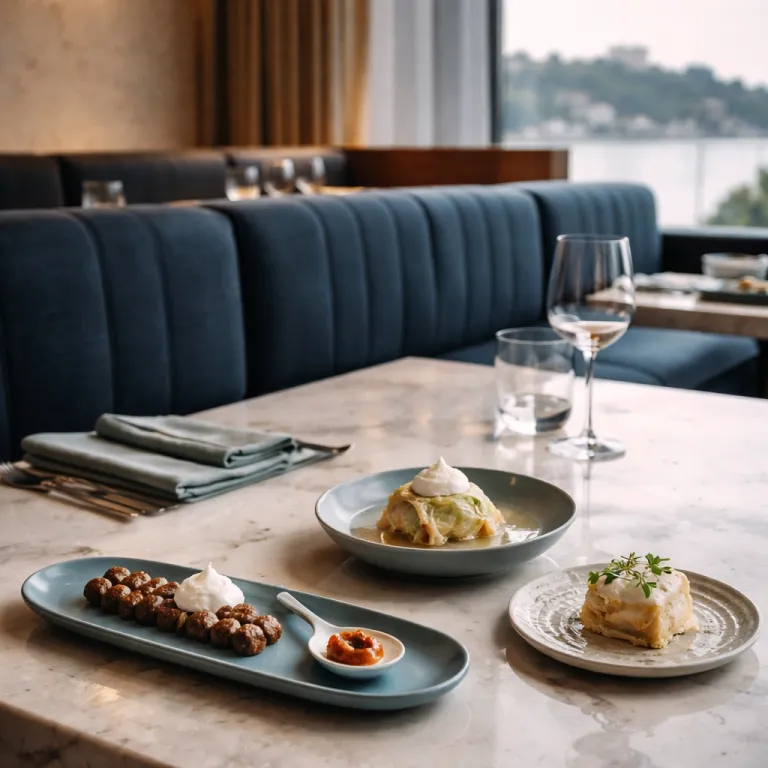
New Balkan cuisine in Belgrade as a movement, not a trend
New Balkan cuisine in Belgrade is less a fad than a quiet revolution. A culinary movement is taking shape in Serbia’s capital, where chefs trained in Copenhagen, Italy and Spain are applying rigorous technique to Balkan heritage while keeping the flavours recognisably local and emotionally resonant. For travellers choosing a luxury hotel in Belgrade, Serbia, understanding this contemporary take on Balkan cooking is now as essential as checking the spa menu or the view from the room.
At its core, this culinary philosophy is about reclaiming traditional ingredients and treating them with modern cooking methods. The movement’s stated aim is simple and ambitious at once; questions such as “What is New Balkan Cuisine?” and “How is a culinary movement modernizing traditional Balkan dishes?” sit alongside “Who is Vanja Puškar?” and “Which restaurants are part of this movement?” as its clearest manifesto. That means veal slow cooked at low temperature instead of boiled, wild herbs from nearby hills treated like treasures, and a tasting menu that reads like a map of Serbia rather than a generic European list.
Chefs partner with local farmers and regional suppliers, bringing air, soil and seasons directly to your table. They use contemporary kitchen equipment to refine classic Balkan recipes, but the ingredients remain stubbornly local and often come from small producers who previously supplied only family restaurants. For couples planning a visit, this makes choosing a hotel near the right restaurant as strategic as picking the best view of the rivers, especially if you want to walk from your suite to dinner and back.
Where to taste new Balkan cuisine in Belgrade: from Iva to Dragoljub
The most articulate expression of this new Belgrade food movement currently runs through a handful of focused restaurants. Iva, often referred to as Iva Balkan by regulars, sits on a quiet Belgrade street and channels the movement’s spirit into a concise menu that changes with the market and the mood of the city. Here, a single plate of veal with foraged greens can summarise the whole ideology of regional cuisine in one restrained, confident gesture, with broths that taste of roasted bones and mountain thyme.
Dragoljub, led by chef Vanja Puškar, takes the language of the traditional kafana and edits it for a contemporary audience. Classic Balkan dishes arrive with lighter sauces, brighter acidity and ingredients sourced from local producers who understand that quality, not quantity, defines many of the best modern restaurants in Serbia. Enso, another Belgrade address, leans into fermentation and micro producers, offering a tasting menu where each table becomes a small stage for precise cooking and quietly theatrical service, from the first amuse-bouche to the final bite of dessert.
Couples staying in a refined city property will find it easy to align their hotel choice with these restaurants. Guests booking through a curated guide to Belgrade hotel stays for discerning guests can match a riverside suite with a late seating at a Michelin-recognised restaurant or a room near Svetog Save with a lunch reservation at Iva Balkan. Business leisure travellers, meanwhile, might prefer a hotel with strong in-house cuisine and quick access to these dining rooms for client dinners.
Michelin stars, Bib Gourmand and the rise of Belgrade as a dining city
Belgrade’s culinary reputation shifted decisively when the Michelin Guide first included the city in its coverage of Serbia, highlighting restaurants such as Langouste under chef Marko Djeric for ambitious cooking and service. That recognition signalled to international travellers that the Serbian capital could now stand alongside more established European cities for serious cuisine, while still offering a distinctly Balkan sense of hospitality and warmth. Since then, Michelin Bib Gourmand distinctions for places such as Iva have underlined that the city’s new wave of restaurants is not confined to white tablecloth formality.
For couples planning a visit, the practical implication is clear; you now need to reserve tables in advance, especially for weekend dinners and for any restaurant with Michelin attention. Many of these kitchens keep their menus deliberately short, focusing on a few seasonal ingredients and a tight tasting format that allows the team to maintain high standards. The best strategy is to choose one star-level restaurant or guide-recommended fine dining address, one Bib-style spot such as Iva Balkan, and one traditional kafana to experience the full spectrum of regional cooking in Belgrade.
Salon 1905 offers a multi-course tasting menu in a grand historical building, while Enso’s fermentation-focused cooking appeals to guests who follow the New Nordic movement. Dragoljub, with its refined take on kafana classics, sits comfortably between those worlds and works well for both romantic evenings and discreet business dinners. When selecting a hotel, look for properties with strong concierge teams who understand the contemporary Belgrade dining landscape and can secure last-minute tables or suggest nearby alternatives if your first choice restaurant is fully booked.
Kafana heritage, Svetog Save neighbourhoods and how hotels frame the experience
The tension between preserving kafana heritage and embracing innovative Balkan cuisine is where the city feels most alive. Tri Šešira in Skadarlija remains a living kafana, with music, grilled meats and veal stews that taste as if time has barely moved, yet even here the sourcing of ingredients is slowly tightening. A few kilometres away, around the Svetog Save plateau, younger chefs are reworking those same recipes into lighter, more structured plates that suit tasting menus and wine pairings.
Choosing the right hotel shapes how you move between these worlds during your visit. A design-forward property near Svetog Save places you within walking distance of several restaurants championing Balkan flavours with modern cooking techniques, while a riverside hotel gives you easy air and light before a heavier kafana evening. Some international brands, including Mama Shelter in Belgrade, have started to reference local ingredients on their in-house menus, though the most interesting expressions still happen in independent restaurants scattered across the city.
Couples who care about food should think in neighbourhoods rather than just star ratings when booking. A hotel near the historic centre allows for spontaneous walks to Skadarlija’s kafanas, while a stay closer to the new business districts positions you near contemporary restaurants and wine bars. For those arriving or departing on tight schedules, it can be worth pairing a final night in a property near the airport with a carefully planned dinner in town, using guides such as this overview of elegant stays near Belgrade Nikola Tesla Airport to keep logistics smooth.
Planning your reservations, privacy details and staying connected to the scene
Restaurants associated with new-wave Balkan cooking in Belgrade tend to be intimate, with limited seating and a strong focus on each table, so advance reservations are not a formality. International guests should book at least one key restaurant before confirming their hotel, then fill in nearby options once flight times and air connections are fixed. Many venues now offer online booking forms that clearly state their privacy policy and terms of service, which is reassuring when you are sharing personal data from abroad.
When you sign up for a restaurant or hotel newsletter, check how they describe their terms, privacy and data handling, as the most serious operators treat this with the same care they give to sourcing ingredients. Subscribing to a curated newsletter from a trusted Belgrade guide can keep you informed about new openings such as Vid, seasonal menus at Iva Balkan and changes in Michelin coverage without overwhelming your inbox. For couples returning to Serbia regularly, this is the easiest way to track which restaurants are refining their cooking and which hotels are aligning their cuisine offerings with the broader Balkan food movement.
On the ground, ask your concierge for last-minute cancellations at high-demand restaurants and for suggestions of local wine bars or casual spots nearby your hotel. Many of the best addresses are within a short taxi ride of each other, so you can pair an early tasting menu with a late glass of rakija in a more traditional setting. Treat your visit as a sequence of meals rather than a single grand dinner, and Belgrade will reveal why its cuisine is now attracting the same attention as its nightlife.
FAQ
What is meant by new Balkan cuisine in Belgrade ?
New Balkan cuisine in Belgrade refers to a movement where chefs modernise traditional Balkan dishes using contemporary cooking techniques, precise sourcing and thoughtful presentation. The flavours remain rooted in Serbia’s culinary heritage, but the menus, wine pairings and service feel aligned with international fine dining standards. Restaurants such as Iva, Enso and Dragoljub are leading examples of this approach.
Which Belgrade restaurants should couples prioritise for a romantic stay ?
For a romantic visit, couples should consider a Michelin-recognised restaurant such as Langouste for one evening, then balance it with a more intimate address like Iva Balkan or Enso. Dragoljub works well for guests who want refined versions of kafana classics in a relaxed but polished room. Adding one traditional kafana such as Tri Šešira in Skadarlija completes the picture of Belgrade’s cuisine in a single trip.
How far in advance should I reserve tables in Belgrade ?
For Michelin-starred or Bib Gourmand restaurants, aim to reserve at least one to two weeks before your visit, especially for Friday and Saturday nights. Smaller dining rooms with tasting menus often have limited capacity, so last-minute tables can be difficult to secure. Your hotel concierge can sometimes help with cancellations, but planning ahead remains the safest option.
Which neighbourhoods are best for food focused stays in Belgrade ?
Food-focused travellers often choose to stay near the historic centre for easy access to Skadarlija’s kafanas and the riverfront, or around Svetog Save for proximity to newer restaurants and wine bars. Both areas offer a mix of luxury and premium hotels with good transport links to the rest of the city. Selecting a property with a knowledgeable concierge team will make navigating the evolving Balkan dining scene significantly easier.
How can I stay updated on new openings and menus in Belgrade ?
Subscribing to a trusted Belgrade hospitality newsletter is the most efficient way to follow developments in New Balkan cuisine, from restaurant openings to seasonal menu changes. Many leading restaurants and hotels maintain active mailing lists and social channels where they share news about ingredients, collaborations and special events. Checking these before each visit helps you align your reservations with the most interesting current offerings.