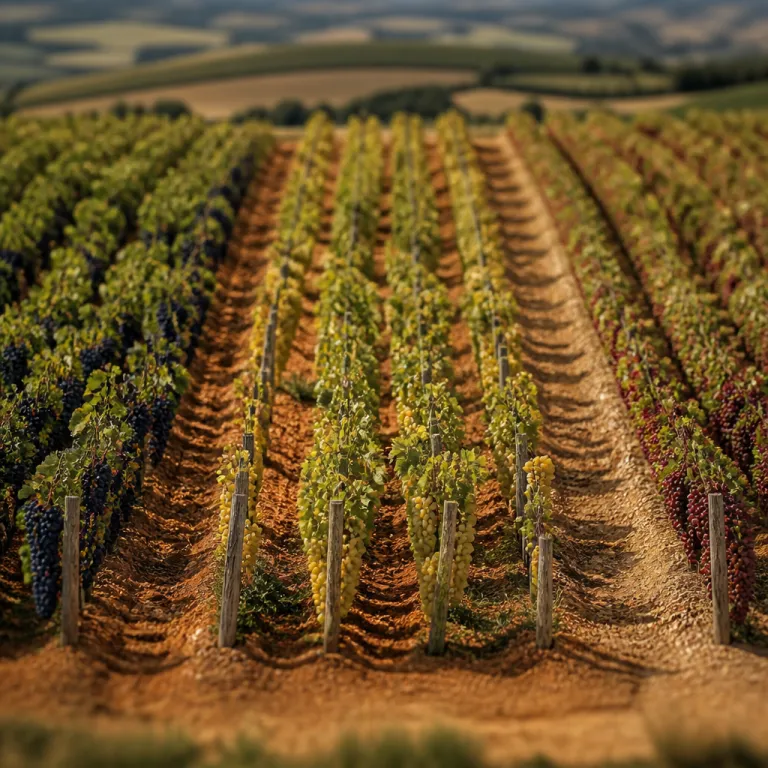
Why Serbian wine varieties belong on every luxury travel itinerary
Serbia sits quietly between famous European wine regions, yet its vineyards are older than many labels on your usual wine bottle. A new generation of winemaking talent is turning indigenous serbian wine varieties into serious contenders for your cellar and for the glass you order at your hotel bar. For luxury travelers, that means a stay in serbia can now weave red and white wines into the same narrative as riverside suites, spa rituals and chef led tasting menus.
Think of serbian wines as the country’s answer to Georgia’s qvevri traditions or Croatia’s coastal grapes, but with a distinctly inland character shaped by the Danube, the Sava and the forested slopes of Fruška Gora. Across these wine regions, from the Srem region around fruska gora to central Serbia and the Župa valley, winemaking families are reclaiming native grape varieties that almost vanished under industrial wine production. Their work is reshaping how premium hotels curate wine lists and how concierges design wine routes for guests who want more than a standard cabernet sauvignon or sauvignon blanc.
For solo explorers, this shift matters because it changes the feel of a trip through serbia wine country. Instead of generic international wines, you now encounter a specific grape variety in each region, poured by people who grew the grapes and can walk you through the vineyards before dinner. That intimacy between wine growing, hospitality and place is exactly what turns a good stay into a memorable one.
Prokupac, Tamjanika and Začinak: the native grapes redefining Serbian wines
Among all serbian wine varieties, three indigenous grapes now anchor serious conversations in Belgrade’s top dining rooms and in countryside wineries. Prokupac leads the red wines, Tamjanika defines the most characterful white wines and Začinak quietly supports both, moving from blending grape to solo act in natural wine circles. Together they give serbian wine a vocabulary that goes far beyond international riesling, italian riesling, cabernet sauvignon or sauvignon blanc.
Prokupac is a red grape variety cultivated across roughly 1 000 hectares in central Serbia and the wider Tri Morave regions, producing medium bodied red wines with bright red berry fruit, gentle spice and a savoury finish that works beautifully with grilled lamb or slow cooked game. Tamjanika, a highly aromatic white grape related to Muscat, thrives in the Župa region and yields white wine that can be dry or sweet, always perfumed with elderflower, basil and stone fruit. Začinak, once a supporting red grape in Negotin region blends, is now bottled alone by a handful of wineries experimenting with low intervention wine making and amphora based winemaking.
When you sit down in a MICHELIN selected dining room in Belgrade, such as the refined spaces now rewriting kafana classics for fine dining as profiled in this guide to new Balkan cuisine, these grape varieties increasingly appear by the glass. Sommeliers use them to frame tasting flights that move from crisp white Tamjanika to structured Prokupac, sometimes finishing with a deeper Začinak from Negotin or a textured white from Fruška Gora. For travelers, this means you can understand serbian wines through three clear reference points rather than a confusing list of unfamiliar labels.
From Fruška Gora to Župa: where to taste Serbian wine in style
Fruška Gora is the most accessible wine region for visitors based in Belgrade or Novi Sad, with over eighty wineries and seventeen monasteries scattered across wooded hills that rise above the Danube. Here, vineyards in the Srem region produce both red and white wines, from structured Prokupac and Začinak blends to mineral driven white grape expressions including riesling, italian riesling and fresh sauvignon blanc. Many wineries have invested in elegant tasting rooms that feel closer to small luxury lodges than rustic farmhouses, which suits travelers booking premium hotels nearby.
Further south, central Serbia and the Župa valley form the spiritual home of Tamjanika and some of the most characterful serbian wine varieties. Wine growing here benefits from warm days and cool nights, giving white wines intense aromatics without losing acidity, while red grapes such as Prokupac and Začinak ripen slowly enough to retain freshness. Several family run wineries now offer overnight stays with polished rooms, thoughtful local breakfasts and curated wine routes that link their cellars with neighbouring estates and historic monasteries.
Back in the capital, high end properties highlighted in our overview of Belgrade hotel stays for discerning guests increasingly treat wine as a core part of the guest experience. Concierges can arrange day trips to Fruška Gora or the Šumadija region, pairing vineyard visits with lunch in countryside restaurants that understand both Prokupac and cabernet sauvignon. For solo travelers, this creates a seamless bridge between urban comfort and rural wineries, without sacrificing the standards expected from a luxury stay.
How luxury hotels in Serbia curate wine led experiences
Premium hotels across serbia are no longer content with generic international wines on their lists, especially when serbian wines now win attention from sommeliers abroad. Many properties work directly with wineries in Fruška Gora, Župa and central Serbia, commissioning limited runs of Prokupac or Tamjanika that appear only in their restaurants and suites. This close relationship between hotel and winery allows guests to taste grape varieties in peak condition, often poured by staff who have visited the vineyards themselves.
In Belgrade, Star Wine List now highlights a dozen leading wine focused restaurants, and their sommeliers increasingly champion serbian wine varieties alongside benchmark cabernet sauvignon or sauvignon blanc from abroad. One of the most vocal advocates is Nenad Lukić at MICHELIN selected Restoran 27, whose pairings often start with a chilled white Tamjanika before moving into structured red Prokupac or Začinak from Negotin region producers. His approach mirrors a broader movement in which wine routes are designed not just around geography, but around the story of each grape variety and the winemaking families behind it.
Outside the capital, luxury rural retreats in the Šumadija and Topola regions integrate wine growing into their architecture, with rooms overlooking vineyards and spa rituals that reference grape based treatments. Guests might tour cellars where wine production combines traditional large format oak with modern temperature controlled fermentation, then return to a terrace for a flight of white wines and red wines from both local and international grapes. For solo explorers, this kind of stay turns serbia wine country into a place where every glass connects directly to the landscape outside the window.
Planning a Serbian wine journey: routes, regulations and practical tips
Designing a trip around serbian wine varieties works best when you think in terms of regions rather than individual wineries. A classic route starts in Belgrade, moves through Fruška Gora and the Srem region, then continues south into central Serbia and the Župa valley before looping back via the Negotin region. Each stop offers a different balance of red and white wines, from Prokupac rich hillsides to valleys scented with Tamjanika and other white grape plantings.
Before you set out, check entry rules and border formalities, especially if you plan to cross between Serbia and neighbouring European Union states with a car full of wine bottles. Our detailed briefing on the EU Entry/Exit system for Serbian travelers explains what concierges and drivers need to know, and it remains useful even if you are only carrying a few wines home. Within the country, roads between major wine regions are generally good, but hiring a driver or using hotel organized transfers lets you focus on tastings rather than navigation.
As you move between wineries, remember that wine making styles vary widely, from polished international expressions of cabernet sauvignon and riesling to low intervention serbian wines made from Prokupac, Začinak and Tamjanika. Ask to taste both single varietal bottlings and blends, because each grape variety behaves differently depending on the region and the winemaking approach. Many estates now ship internationally, so you can order your favourite serbia wine later rather than overloading your luggage during the trip.
FAQ
What foods pair best with Prokupac wines during a Serbian stay ?
Prokupac wines pair well with roasted meats, lamb, and game dishes. In practical terms, that means they shine with slow cooked lamb under the bell in rural restaurants, grilled kebabs in Belgrade’s smarter kafanas and venison stews in mountain lodges. When booking a hotel dinner, ask the sommelier to match a single varietal Prokupac with any dish that features char, smoke or wild herbs.
Is Tamjanika usually a sweet or a dry white wine in Serbia ?
Tamjanika wines can be produced in both dry and sweet styles. In most contemporary winery tasting rooms you will encounter dry white wines first, with intense aromatics but a clean, refreshing finish that works well as an aperitif. Sweeter versions often appear with desserts or local cheese plates, especially in the Župa region where the grape has been grown for centuries.
Where can international travelers buy Serbian wines after their trip ?
Serbian wines are available through specialized wine retailers and online stores. Many wineries you visit in Fruška Gora, central Serbia or the Negotin region now partner with importers in the United States and Western Europe, making it easier to restock favourite bottles. When tasting on site, ask the winery team which distributors serve your home city and whether mixed cases of Prokupac, Tamjanika and Začinak can be shipped directly.
Are winery stays in Serbia suitable for solo luxury travelers ?
Winery stays in Serbia work very well for solo explorers who value quiet, design forward spaces and direct contact with winemakers. Properties in the Srem region, Šumadija and Župa often offer just a handful of rooms, generous breakfasts and private tastings that can be tailored to your level of wine knowledge. When booking, look for estates that combine on site vineyards, a serious cellar and easy transfers from Belgrade or Novi Sad.
How many indigenous grape varieties should I focus on during a short trip ?
For a long weekend built around wine, concentrating on three key serbian wine varieties gives you depth without fatigue. Prokupac, Tamjanika and Začinak each show a different side of the country’s wine regions, from structured reds to aromatic whites and experimental natural wines. You can then layer in familiar grapes such as riesling or cabernet sauvignon for comparison, using them as benchmarks rather than the main event.
Sources
Serbian Ministry of Agriculture ; Serbian Wine Association ; Star Wine List.