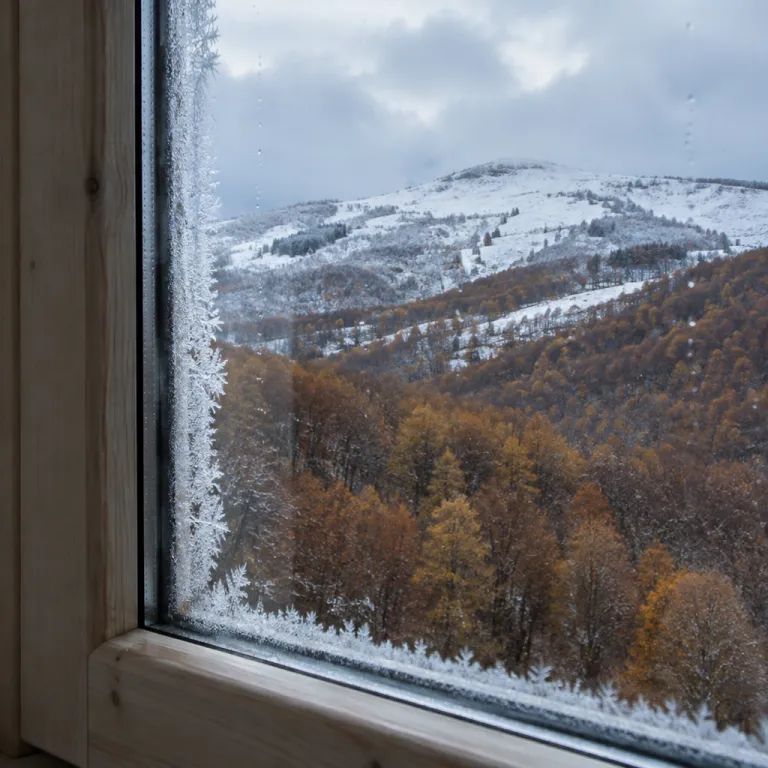
The quiet luxury of late autumn in Serbia’s mountains
Serbia’s highlands enter a rare hush in late autumn, just before winter transforms every ski resort into a busy playground. This is the most strategic moment for winter travel in Serbia, when rates soften, staff have time to talk, and the mountains feel like a private retreat. If you plan your travel to Serbia carefully, you will find that these weeks offer some of the best value and the most attentive service of the year.
On Kopaonik, the country’s flagship ski resort area, lifts are still testing, pistes remain brown and gold, and the focus shifts from speed to stillness. Luxury hotels around the Kopaonik National Park edge fill their spas rather than their ski rooms, which suits business travellers extending a stay in Belgrade far more than crowds chasing powder. This is where a Serbia winter break quietly begins, with long sauna sessions, early planning for ski passes, and staff who have time to guide you through local wine lists and regional Serbian food pairings.
Zlatibor, further west, feels softer in this shoulder-to-winter Serbia window, with pine forests scented by wood smoke rather than après ski. If you base yourself in Užice, refined stays between city life and Zlatibor mountain escapes let you balance meetings by day with slow travel evenings in the hills. For executives travelling Serbia on tight schedules, this mix of city infrastructure and quick access to mountain air is often worth considering before the first snow complicates transfers.
Late autumn also lets you explore places in eastern Serbia’s ranges, such as Stara Planina, without the pressure of peak ski season. Roads are usually clear, yet crisp winter light already sharpens the ridgelines, creating a cold-season atmosphere without the logistical demands of full snow. If you read the forecasts closely and secure flexible bookings, your winter itinerary in Serbia can pivot between clear hiking days and the first experimental ski runs.
Thermal towns, wine country and city breaks before winter rates rise
While the mountains prepare for ski season, Serbia’s thermal towns and wine regions quietly shine for off-season luxury. Vrnjačka Banja and Sokobanja feel perfectly tuned to winter in Serbia, with steaming pools, serious wellness menus and staff who have time to guide you through every treatment. For travellers who usually rush through Europe, this is the moment to slow down, fill your schedule with spa rituals and let the rhythm of a Serbia winter escape reset your pace.
North of Belgrade, the Danube and Fruška Gora hills frame some of the best wine country in the region, ideal for a day trip or a full weekend. Sremski Karlovci, with its baroque centre and compact cellars, is worth visiting in late autumn, when tour buses thin and winemakers can actually sit with you to talk vintages. Pairing local wine with carefully prepared Serbian food in these quieter weeks turns a simple lunch into a masterclass in regional culture and a highlight of travel in Serbia.
Novi Sad, just across the river, works beautifully as a base for both business and leisure during this shoulder-to-winter period. You can spend the day in meetings, then walk the Danube promenade at dusk, when the air already hints at winter but terraces still serve late coffee and cakes. Many premium hotels here offer short spa circuits and thoughtful room service menus, which makes them ideal for executives visiting Serbia who want comfort without the intensity of winter Belgrade.
Back in the capital, winter Belgrade arrives slowly, with café windows fogging up long before the first snow. This is the time to explore things Belgrade does best in the cold months, from riverside fine dining to intimate wine bars in Dorćol and Vračar. If you want to extend your Serbia winter journey beyond the city, use Belgrade as a hub for curated countryside stays, and consult Serbia’s finest countryside and estate stays to align rural luxury with your business calendar.
How mountain resorts shift as ski season approaches
In the weeks before the lifts start turning, every major ski resort in Serbia quietly changes gear. Kopaonik National Park hotels move from conference-heavy autumn calendars into pre-winter testing, with spa teams, concierges and ski schools aligning their offers. For planners focused on winter holidays in Serbia, this is the moment to read rate calendars closely, because the same suite can cost significantly less a day before official ski opening than a day after.
Luxury properties in Kopaonik and Zlatibor often use this shoulder-to-winter period to trial new menus and service concepts. That can mean private tastings of Serbian food classics reworked in contemporary style, or curated wine flights featuring small producers from eastern Serbia and Vojvodina. If you visit Serbia in this window, you will often find staff eager for feedback, which gives business travellers a rare sense of co-creating the experience rather than just consuming it.
For executives extending a Belgrade trip, a Serbia winter mountain stay works best when you treat the highlands as a decompression zone rather than a checklist of ski resorts. Two or three nights in a high-end property, with one structured spa day and one flexible outdoor day, usually offers the best balance. To refine this kind of stay, consult a dedicated premium resort overview such as the Serbia premium resort booking guide, then speak directly with hotel concierges about late autumn specifics.
Practicalities matter in this phase of travel in Serbia, especially around travel insurance and logistics. Weather can shift quickly in the mountains, so comprehensive travel insurance that covers road delays and last-minute date changes is essential for smooth winter travel planning. When you are visiting Serbia for work first and leisure second, that flexibility protects both your calendar and your investment, ensuring that a single icy day does not derail an otherwise carefully planned escape.
Business plus leisure: booking strategy before snow and EXPO pressure
For US-based executives, Serbia sits at a useful crossroads in Europe, easy to pair with meetings in Vienna, Budapest or Athens. Belgrade’s airport links make it simple to add two or three cold-season days in Serbia to an existing itinerary, turning a standard trip into a richer travel experience. The key is to plan your winter visit around the quiet weeks before major events and before ski resorts reach full capacity.
Hotel pricing in Belgrade, Novi Sad and the main mountain areas may tighten as EXPO 2027 approaches, especially around peak winter and summer periods, according to early commentary from local tourism boards. Booking now for future shoulder-to-winter Serbia windows lets you lock in current rates at properties that are already upgrading in anticipation of higher demand. When you read cancellation policies, look for flexible terms that allow you to shift dates by a day or two, which is invaluable if business meetings move.
On the ground, think of each day as a blend of work and slow travel rather than a strict separation. A morning of calls in a Belgrade riverside suite can be followed by an afternoon day trip to Sremski Karlovci or Fruška Gora National Park, where wine tastings and quiet trails reset your focus. Even in winter Belgrade, you can fill evenings with things the city does elegantly, from contemporary galleries to long dinners built around seasonal Serbian food and local wine.
Digital planning habits matter as well, especially when you share Serbia winter impressions on Facebook, Twitter or LinkedIn. Use those platforms less as performance and more as a personal guide archive, noting which places in Serbia felt genuinely worth visiting in the shoulder season. Over a few years of travelling this way, you will build your own private winter and summer playbook for Serbia, one that turns a simple business trip into a recurring ritual of return.
FAQ
Is late autumn really a good time for serbia winter travel in the mountains ?
Late autumn is one of the best times for winter travel in Serbia’s mountains if you value quiet, service and value over guaranteed snow. Ski resorts like Kopaonik and Zlatibor are preparing for the season, so spas, restaurants and staff are fully operational while occupancy remains lower. You trade peak skiing for calmer days, easier upgrades and more attentive guidance from local teams.
Where should I base myself for a business trip with a winter Serbia extension ?
Belgrade works best as a primary base for meetings, with winter Belgrade offering strong dining, culture and premium hotels. From there, you can add a short stay in Kopaonik National Park, Zlatibor or a thermal town such as Vrnjačka Banja for the leisure portion. Novi Sad is another smart option if your meetings are in northern Serbia and you want quick access to wine country and Sremski Karlovci.
Do I need special travel insurance for travelling Serbia in the shoulder to winter period ?
Standard comprehensive travel insurance is usually sufficient, but make sure it covers weather-related delays and flexible date changes. Mountain roads can be affected by early snow or ice, even when ski resorts are not fully open yet. For business travellers combining work and leisure, this extra protection helps safeguard both your schedule and your hotel investment.
What are the best non ski activities during serbia winter travel ?
During a Serbia winter trip, especially before heavy snow, focus on spa days, wine tastings and city culture. Thermal towns, Fruška Gora wine estates, and museums or galleries in Belgrade and Novi Sad all work well in colder light. You can also plan gentle hikes in national park areas when trails are clear, then end the day with regional Serbian food and local wine.
Is Serbia worth visiting in winter if I am not interested in ski resorts ?
Serbia is absolutely worth visiting in winter even if you never step onto a ski slope. The atmosphere in cities, the depth of the food culture and the quality of spas and thermal waters all come into their own in colder months. If you plan carefully, you can explore places in Serbia that feel crowded in summer but wonderfully calm in the shoulder-to-winter Serbia season.
Suggested sources for further reading : National Tourism Organisation of Serbia ; Kopaonik National Park administration ; Tourist Organisation of Belgrade.