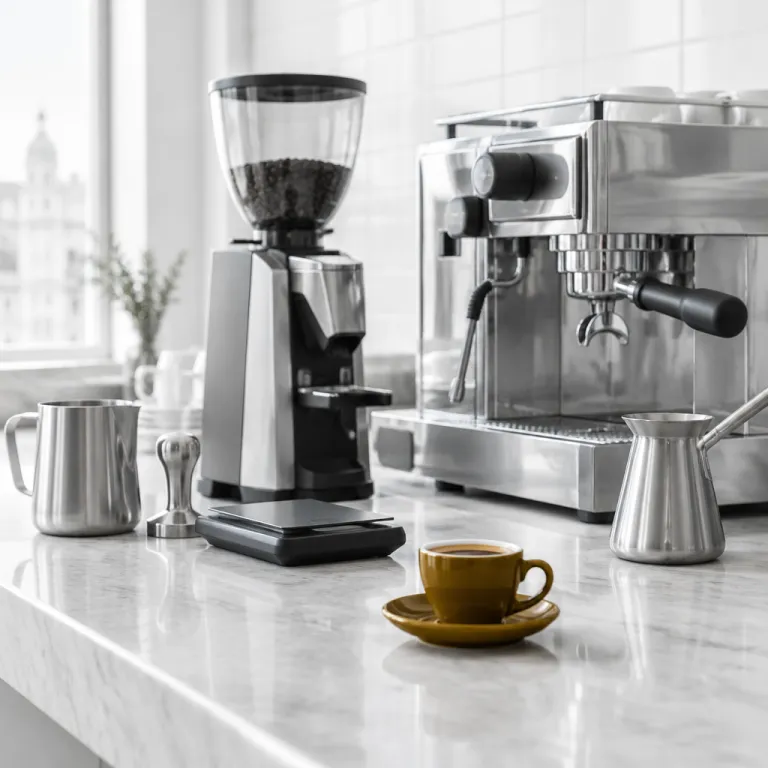
The unhurried rhythm of Belgrade coffee culture
Belgrade wakes slowly, and coffee shapes the pace of the city. In this capital of Serbia, the first drink of the day is less a caffeine fix and more a quiet social contract between people who agree that mornings should stretch long. For a solo traveler staying in a luxury hotel, leaning into this unhurried coffee drinking ritual is the fastest way to feel part of local life.
Across Belgrade, coffee is rarely rushed, and the culture Serbia has built around it rewards patience. You will see a small ceramic cup of strong Serbian coffee on one table, a flat white in a tall glass on the next, and a carefully weighed specialty coffee pour over at the bar. The variety of coffee served in the same cafe tells you how this city holds tradition and modernity in the same relaxed embrace.
Unlike many cities in the United States, where people drink coffee while walking or commuting, Belgrade coffee culture is anchored to the chair and the conversation. Locals might drink espresso quickly at the counter, but they are just as likely to sit for a long hour with one cup. As one Dorćol barista put it recently, “If you finish your coffee in five minutes, you miss half of Belgrade.” For visitors, this slower style of drinking coffee becomes a gentle reset that shapes how you plan each visit and each day in Serbia.
From kafana to riverside terrace: where mornings really begin
The best way to read Belgrade is to follow its cafes as they open. In Dorćol and Vračar, old kafanas sit beside contemporary cafes restaurants, and each type of cafe offers a different entry point into the city’s layered cafe culture. A solo guest can move from a tiled, wood paneled room where Serbian coffee is brewed in a džezva to a minimalist coffee shop where a barista pulls a flat white with Nordic style precision.
On the Sava river, cafes Belgrade has scattered along the water feel almost like living rooms located on floating decks. Around Karađorđeva Street and the Beton Hala zone, many riverside cafes open from about 8:00 or 9:00 in the morning and serve coffee for prices that usually range from €1.50 to €3 for an espresso or cappuccino. Here, people drink coffee slowly while watching barges slide past, and the coffee served ranges from moka pot style brews to clean, bright specialty coffee roasts. These riverside cafes are ideal if you want to share a quiet morning with the city without the intensity of the nightlife that usually defines Belgrade abroad.
As the city prepares for large scale events and new developments, there is a live debate about how much change Belgrade can absorb without losing its soul. Local media and urban planners regularly discuss how large projects along the riverfront might affect long established neighbourhoods and independent cafes. For a deeper look at how future projects may reshape neighbourhoods that now host some of the best cafes, read this analysis of Belgrade after major international expos and the risk to its identity. Understanding that tension helps you appreciate why a simple drink in a small riverside cafe feels like an act of quiet preservation.
Neighbourhoods and hotel choices for a slow solo morning
Choosing the right hotel in Belgrade can shape how easily you slip into local coffee culture. A property located near Dorćol’s grid of streets lets you step out and be in a cafe within two minutes, while a stay in Vračar places you close to elegant residential blocks where people still drink coffee on leafy sidewalks. For solo travelers, this proximity to good coffee shops matters more than a grand lobby that you will barely use.
Dorćol is where cafe culture and history meet, with small cafes tucked into courtyards and on corners near the Danube. Around Strahinjića Bana and Kralja Petra streets you will find cafes restaurants that serve both traditional cuisine and carefully sourced Serbia coffee, so you can pair a strong Turkish coffee with a slice of walnut cake or a modern espresso with a light breakfast. Vračar, by contrast, feels more residential and polished, and its cafes are ideal if you want to drink coffee quietly while watching everyday Belgrade life unfold.
If you prefer a refined base with easy access to the riverfront and the business district, consider a stay at a property like the Crowne Plaza, which we review in depth in our guide to refined city stays in Belgrade. From there, you can reach Savamala’s creative cafes and the riverside in a short taxi ride, then return to a calm room once your long morning of coffee drinking is done. For a broader sense of how luxury is defined in Serbia, and why service around something as simple as coffee can feel surprisingly personal, read our feature on what luxury really means in Serbia.
How Belgrade coffee rituals differ from Western Europe
Belgrade coffee culture sits somewhere between Ottoman legacy and Central European cafe traditions. In many parts of Serbia, especially beyond the capital and in cities like Novi Sad, people still prepare Serbian coffee at home in a small džezva, much like Turkish coffee but with its own grind and ritual. When that same style of coffee is served in a Belgrade cafe, it carries a sense of continuity that you rarely feel in Western Europe.
In Paris or Berlin, specialty coffee bars often prioritise speed and takeaway, while in Belgrade the best specialty coffee spots still encourage you to sit. You might order an espresso, a flat white or a moka pot style brew, but the expectation is that you will drink coffee at the table and possibly share a conversation with the barista or the person at the next chair. That social openness can feel unusual if you arrive from the United States, where coffee shops sometimes double as quiet workspaces rather than social rooms.
Another difference lies in how cafes integrate food and traditional cuisine into the morning. In Serbia, a cafe located on a residential street might serve simple pastries, while larger cafes restaurants in the city centre offer full breakfasts that reflect both international tastes and culture Serbia has inherited from the Habsburg and Ottoman periods. This means your long morning coffee drinking session can easily stretch into lunch, especially if the coffee served is well made and the people around you are in no hurry to leave.
Designing your perfect Belgrade morning around coffee
For a solo traveler, the most rewarding way to visit Belgrade is to build each day around one or two carefully chosen cafes. Start in Dorćol with a strong Serbian coffee or Turkish coffee in a traditional cafe, then walk slowly towards the river while the city finishes waking up. Along the way, stop at a specialty coffee shop for a second drink, perhaps an espresso or a flat white, and notice how the mood shifts from residential calm to urban energy.
Later in the trip, plan a morning in Vračar, where small coffee shops sit beside bakeries and local stores. Choose a cafe located on a corner with good light, order your preferred drink coffee style, and let yourself sit for a long time without checking your phone. You will see how people of all ages use these cafes as extensions of their homes, and how the coffee culture quietly structures the social life of the city.
If you have extra days in Serbia, consider a side trip to Novi Sad, where the cafe culture is slightly softer and the pace of coffee drinking even slower. There you will find cafes Belgrade style specialty coffee bars alongside traditional spots where coffee served from a moka pot or džezva still anchors the morning. Wherever you go, remember that in Serbia coffee is less about the drink itself and more about the permission it gives you to pause, observe and share a small piece of everyday life.
FAQ
Is Belgrade safe for solo travelers who want to explore cafes ?
Central Belgrade is generally safe for solo travelers, especially during the day when cafes are busiest. Recent data from local authorities and tourism reports indicate that most incidents affecting visitors are minor, such as pickpocketing in crowded areas. As in any large city, keep valuables close and choose well lit streets when returning to your hotel at night. Most cafe staff speak at least basic English, so asking for help or directions is usually straightforward.
What should I order to experience authentic Serbian coffee ?
To experience authentic Serbian coffee, ask for “domća kafa” or “Serbian coffee” brewed in a džezva, which is similar to Turkish coffee but slightly different in grind and strength. Let the grounds settle before you drink, and sip slowly rather than finishing it quickly. Pair it with a small sweet pastry to mirror how many locals start their day.
Do Belgrade cafes offer plant based milk and modern coffee options ?
Many specialty coffee shops and central cafes in Belgrade now offer plant based milks such as oat or soy, alongside classic options like espresso, flat white and filter brews. In areas popular with younger professionals, it is increasingly common to find almond or lactose free milk as well. Traditional kafanas may focus more on Serbian coffee and simple espresso, so ask the barista about available choices. If you have specific dietary needs, larger cafes restaurants are usually the most flexible.
How much time should I plan for a morning coffee in Belgrade ?
Plan at least 45 minutes to one hour for a morning coffee in Belgrade if you want to experience the local rhythm. People rarely rush their coffee drinking, and staying longer helps you observe neighbourhood life and small social rituals. If you are moving between two or three cafes, allow a full morning so you never feel pressed for time.
Can I work remotely from Belgrade coffee shops ?
Many Belgrade coffee shops have reliable Wi Fi and a relaxed attitude toward laptops, especially in areas popular with younger professionals. Surveys by local digital nomad communities suggest that central neighbourhoods such as Dorćol, Savamala and parts of New Belgrade have the highest concentration of laptop friendly cafes. However, in very small cafes or traditional kafanas, the focus is more on conversation than work, so using a laptop for long periods may feel out of place. If you need to work for several hours, choose a larger specialty coffee bar or a cafe located near business districts.
Sources
Tourist Organisation of Belgrade ; Belgrade city safety reports ; local digital nomad community surveys.