Subotica Serbia for discerning travelers seeking character and comfort
Subotica in northern Serbia offers a rare blend of elegance, multicultural life, and calm urban rhythm. For travelers choosing luxury and premium hotels, the city combines refined stays with easy access to the Hungarian border and the wider Vojvodina region. This balance makes Subotica city ideal for guests who want character, comfort, and efficient connections.
The population of Subotica city proper is under 100,000, yet its role in Serbia feels much larger. As a town with strong Hungarian and Serbian communities, it has a layered identity that shapes service culture in hotels and restaurants. Guests quickly notice how local staff move easily between languages, traditions, and expectations, which elevates the overall travel experience.
For premium travelers, the main challenge is not the quality of stays in Subotica but the lack of a clearly defined luxury category on many booking platforms. Subotica travel planners often see properties grouped with generic town accommodation, even when they offer suites, curated art, and high service standards. This gap makes a detailed travel guide essential for anyone planning to visit Subotica with higher expectations.
Subotica Serbia is also gaining importance thanks to the high speed rail link to Belgrade, which shortens transfer times dramatically. This new connection allows guests to combine a stay in the capital with a quieter chapter in Subotica city, without sacrificing time or comfort. For many, the most rewarding itinerary pairs Belgrade’s energy with the secession style calm of this northern town.
Art nouveau elegance and how it shapes luxury stays
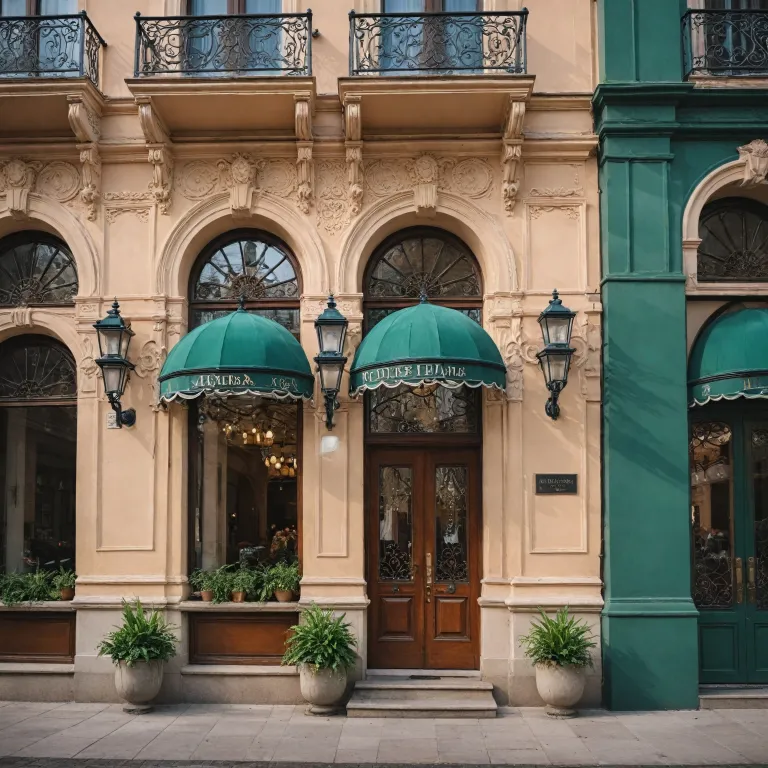
Subotica is one of the most distinctive art nouveau cities in Central Europe, and this heritage directly influences its premium hotel scene. Many high end properties sit close to the main square, where art nouveau buildings create a theatrical backdrop for arrivals and evening walks. Guests who value architecture often choose their hotel specifically to be within a short stroll of these façades.
The Raichle palace is the most emblematic example of this secession style, with its vivid colors, floral motifs, and playful lines. When you visit Subotica, staying near Raichle palace means you can enjoy early morning walks before the city fully wakes. Several luxury and premium hotels use interior design that echoes this art nouveau language, from stained glass details to custom textiles.
Nearby, the city hall and town hall complex dominates the skyline with its tower and ornate decoration. Many travelers planning a Subotica Serbia itinerary look for rooms with partial views of city hall, especially on upper floors. These perspectives turn a standard stay into a more immersive travel experience, where the architecture becomes part of daily life.
Subotica synagogue, one of the most beautiful synagogues in Europe, adds another layer of art and history to the urban fabric. High end guests often schedule private guided visits to the Subotica synagogue, then return to hotels that mirror similar design cues. For travelers who appreciate curated stays, this dialogue between public monuments and private interiors is a key reason to choose Subotica over larger cities.
Palic lake retreats and the art of quiet luxury
Just a short drive from Subotica city, Palić offers a lakeside counterpoint to the urban core. Many premium travelers choose to split their stay between a central hotel in Subotica and a more secluded address near Palić lake. This combination allows guests to enjoy both the cultural density of the city and the slower rhythm of the town by the water.
The Palić area is known for its historic villas, tree lined promenades, and gentle shoreline, which suit travelers seeking restorative time between excursions. Luxury properties here often emphasize wellness, with spa facilities, saunas, and outdoor terraces facing the lake. For guests planning a longer Subotica travel itinerary, a few nights in Palić can transform a simple city break into a more layered journey.
Because Subotica Serbia does not yet have a fully segmented luxury category on many booking platforms, travelers must read descriptions carefully. Look for properties that highlight lake views, generous room sizes, and tailored services rather than relying only on star ratings. This is especially important in Palić, where some hotels feel truly premium while others remain more traditional town accommodation.
For travelers designing a broader regional route, it is easy to connect Palić and Subotica with other refined stays in the Balkans. Some guests pair this northern Serbia chapter with coastal elegance further south, such as a stay focused on the art of luxury on Montenegro’s Adriatic coast described in this guide to Sveti Stefan village and luxury stays on Montenegro’s Adriatic coast. Combining lakeside calm, art nouveau architecture, and seaside panoramas creates a compelling multi stop itinerary for demanding travelers.
Multicultural heritage, history, and their impact on premium hospitality
Subotica’s multicultural fabric is central to its appeal for high end travelers who value context and depth. The city’s population includes significant Serbian and Hungarian communities, alongside Croats, Bunjevci, and others, which shapes everything from menus to festivals. This diversity gives Subotica Serbia a cosmopolitan feel that belies its modest size.
History Subotica is complex, stretching from medieval mentions through periods under the Ottoman Empire and the Austro Hungarian realm. Each era left traces in the town’s architecture, religious buildings, and public spaces, which premium guests often explore with private guides. The city museum provides a structured overview of these layers, while walks between the orthodox church, Catholic churches, and the Subotica synagogue reveal them in situ.
Figures such as Jovan Nenad, a historical leader associated with the region, appear in local narratives and monuments. For travelers, these references add texture to guided tours that move between art nouveau buildings and older structures. Many luxury hotels can arrange expert led walks that connect the story of Jovan Nenad with the broader history of the city and its surroundings.
Modern Subotica also benefits from institutions such as the University of Novi Sad’s Faculty of Economics in Subotica and industrial players like Siemens Subotica. These anchors support a stable local economy, which in turn sustains higher service standards in hotels and restaurants. When you visit Subotica, you experience not only a picturesque town but a functioning regional hub that can reliably host demanding international guests.
Practical travel guide for luxury and premium hotel bookings
Planning a Subotica travel itinerary with premium expectations requires a more hands on approach than in larger cities. Because many booking platforms lack a dedicated luxury filter for this town, travelers should focus on concrete indicators such as room size, recent renovations, and service descriptions. Reading guest reviews that mention staff attentiveness, breakfast quality, and noise levels is particularly useful.
Location is crucial in Subotica Serbia, especially if you want to walk easily between key sights. Properties near city hall, the blue fountain, and the main square place you within minutes of the Raichle palace, the city museum, and the Subotica synagogue. This central cluster also offers quick access to cafés, restaurants, and evening promenades, which matters for travelers who prefer to avoid frequent taxis.
For guests arriving from Belgrade or Novi Sad, the new high speed rail connection significantly simplifies logistics. Many travelers now combine a stay in the capital, perhaps in one of Belgrade’s refined luxury and premium hotels, with a quieter chapter in Subotica city. This pattern allows you to experience both the energy of major Serbian cities and the more intimate charm of this northern town.
When comparing properties, consider whether you prefer a city base or a Palić retreat, or a mix of both. Central hotels suit travelers focused on architecture, art nouveau walks, and dining, while lakeside stays appeal to those prioritizing wellness and nature. In both cases, booking directly with the property can help clarify room categories and special services that may not appear clearly on generic platforms.
From Belgrade and Novi Sad to Subotica: crafting a regional luxury itinerary
Subotica Serbia fits naturally into a wider regional journey that includes Belgrade and Novi Sad. Many travelers begin in the capital, then move north by high speed rail to Subotica city before continuing towards the Hungarian border. This route highlights the diversity of Serbian cities, from the Danube focused life of Novi Sad to the art nouveau streets of this border town.
Belgrade offers large scale luxury hotels with extensive facilities, while Subotica specializes in more intimate premium stays. The contrast between these cities enriches any travel guide that aims to show Serbia’s full range. Guests often comment that time in Subotica feels like a pause, where art, architecture, and slower rhythms balance the capital’s intensity.
Novi Sad, home to the University of Novi Sad and a vibrant cultural scene, often serves as a midpoint between Belgrade and Subotica. Travelers can spend a night or two there before heading further north, creating a chain of distinct yet connected urban experiences. This sequence also makes it easy to understand how history Subotica relates to broader regional narratives shaped by the Ottoman Empire and the Austro Hungarian period.
Within Subotica itself, short excursions to Palić and nearby villages add rural notes to an otherwise urban itinerary. Walking between the blue fountain, city hall, the orthodox church, and various nouveau buildings gives a sense of the town’s layered identity. For many premium travelers, this combination of cities, towns, and lakeside landscapes is what makes a visit to Subotica truly memorable.
Signature landmarks and how to weave them into a premium stay
Several landmarks define the character of Subotica and should anchor any high end itinerary. The blue fountain near city hall is a natural meeting point and a visual symbol of the town, especially in the evening. From here, short walks lead to the Raichle palace, the city museum, and a network of art nouveau buildings that reward slow exploration.
The Subotica synagogue stands out as a masterpiece of art nouveau and a key reason many travelers choose to visit Subotica. Its interior, with rich ornamentation and light, pairs beautifully with stays in hotels that echo similar design themes. Nearby, the orthodox church and Catholic churches illustrate the city’s religious diversity and its long history of coexistence.
For travelers interested in deeper context, guided tours often connect these landmarks with stories from the Ottoman Empire era and the Austro Hungarian period. Walking routes may include references to Jovan Nenad, local legends, and the evolution of the town hall and city hall complex. In this way, architecture, history, and contemporary life merge into a coherent narrative.
As one local overview notes, “Subotica is known for its Art Nouveau architecture, the Palić Film Festival, and various cultural festivals throughout the year.” For premium guests, timing a stay to coincide with cultural events can elevate the experience, especially when combined with tailored hotel services. Whether you focus on art nouveau, lakeside relaxation at Palić, or regional gastronomy, Subotica Serbia offers enough depth to justify a dedicated chapter in any sophisticated travel plan.
Key statistics about Subotica Serbia for informed travelers
- The population of Subotica city proper is approximately 88,752 inhabitants, while the wider administrative area reaches close to 124,000 residents.
- Serbs represent just over one third of the population, while Hungarians account for slightly more than one quarter, underlining the city’s multicultural character.
- Catholics form roughly half of the city’s residents, with Orthodox Christians representing just under one third, and smaller communities of Muslims, Protestants, and Jews.
- Manufacturing is a major employer in Subotica, with nearly 15,000 registered employees, followed by wholesale and retail trade, transportation and storage, education, and health and social work.
- A high speed rail connection links Subotica with Belgrade in a little over one hour, significantly improving access for international travelers.
Essential questions about Subotica Serbia
What is the population of Subotica and how does it affect the travel experience ?
The population of Subotica city proper is under 100,000, while the administrative area is larger, which keeps the urban scale manageable for visitors. This size allows travelers to walk between most central landmarks, including city hall, the blue fountain, and the main art nouveau streets. For premium guests, the relatively compact city means less time in transit and more time enjoying architecture, gastronomy, and hotel facilities.
What are the main industries in Subotica and why do they matter for travelers ?
Manufacturing, including wind generator production, food processing, and chemical fertilizers, forms the backbone of the local economy. A stable industrial base supports better infrastructure, reliable services, and a workforce accustomed to international standards, which benefits high end hospitality. Travelers staying in luxury and premium hotels in Subotica Serbia can therefore expect professional service levels that reflect this broader economic context.
How is Subotica connected to other major cities in the region ?
Subotica is linked to Belgrade by a high speed rail line that reduces travel time to just over an hour, and the route extends towards Budapest. This connection makes it easy to integrate Subotica city into multi stop itineraries that include Belgrade, Novi Sad, and Hungarian cities. For luxury travelers, the combination of efficient rail travel and compact urban scale makes Subotica an attractive, low stress addition to a regional journey.