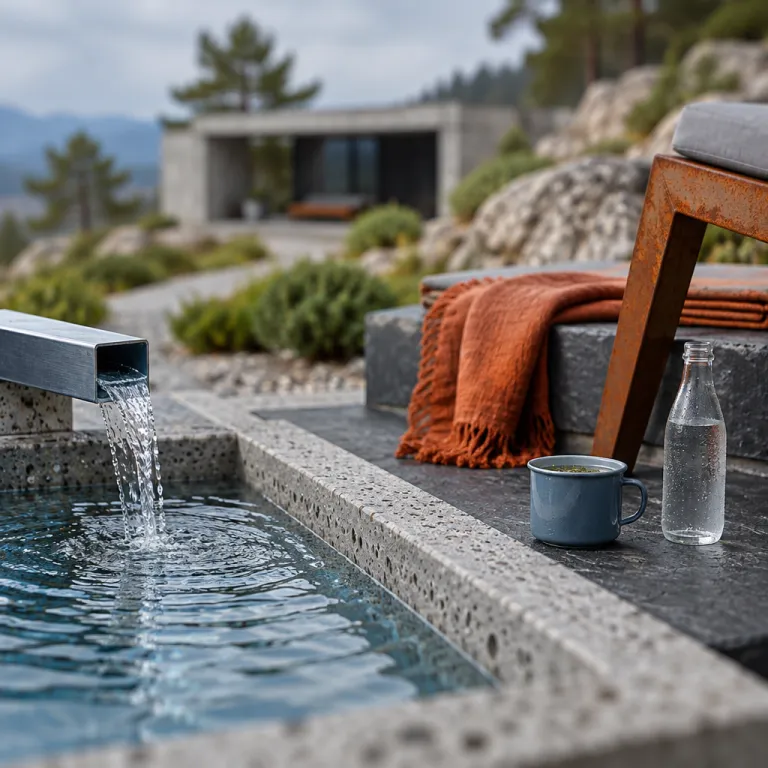
What makes a true wellness retreat in Serbia
A genuine wellness retreat in Serbia is more than a pretty pool. It is a structured stay designed to help people reset their nervous system, sleep patterns and relationship with stress. The best retreats combine medical knowledge, slow rituals and a sense of place that feels rooted in Serbian culture and long-standing spa traditions.
Think of it as a curated journey rather than a simple spa day. A real retreat will weave together daily yoga, guided meditation, tailored spa treatments and unhurried meals that respect local produce. In Serbia, many retreats sit on historic thermal springs whose healing waters have been used since Roman times, so the wellness narrative is anchored in centuries of practice and a wider Balkan spa culture.
Luxury spa hotels across Serbia often market weekend packages, yet not all qualify as full retreats. A spa experience that counts as a wellness retreat in Serbia usually includes a consultation, a clear programme and time deliberately left free for rest, not just endless activities. When you book, ask whether the stay is a leisure-focused spa break or a structured retreat with defined outcomes such as better sleep, pain relief or emotional balance.
Thermal towns and healing waters: Vrnjačka Banja, Niška Banja and Banja Koviljača
Serbia’s classic spa towns, or banja destinations, are the backbone of any serious wellness retreat in Serbia. Vrnjačka Banja, Niška Banja and Banja Koviljača each sit on thermal springs whose mineral-rich healing waters shaped local life long before modern spas arrived. These towns offer a softer, slower rhythm that many people from Belgrade and beyond treat as their perfect retreat for long weekends.
Vrnjačka Banja is the most polished option, with grand hotels, a leafy promenade and a growing choice of luxury spa properties. When you plan a spa day here, look for a hotel that combines medical-grade spa treatments with contemporary wellness such as yoga, meditation classes and guided forest walks. Several properties market themselves as Vrnjačka Banja spa specialists, pairing traditional mud treatments with modern hydrotherapy pools fed by thermal springs.
Niška Banja, close to Niš, feels more low key yet has a strong reputation for cardiology-focused treatments and respiratory healing programmes. Couples who want a quieter wellness retreat in Serbia often choose Niška Banja for its mountain air and access to nearby hiking trails. Banja Koviljača, near the Drina river and the border with Bosnia and Herzegovina, is known for sulphur-rich springs and a stately park that turns every slow walk into part of your spa experience, especially in the cooler autumn months when the crowds thin.
Mountain wellness: fresh air, national parks and design led retreats
Move away from the banja towns and a different kind of wellness retreat in Serbia appears in the mountains. Here, the focus shifts from medical spa treatments to fresh mountain air, long walks and design-led retreats that frame natural beauty through floor-to-ceiling glass. For couples, this is often the perfect retreat style when one partner wants active days and the other craves deep rest.
On Fruška Gora, Serbia’s oldest national park, new-generation resorts blend thermal springs with contemporary architecture and serious hydrotherapy circuits. A property like Mövenpick Fruške Terme, covered in detail in our guide to what a proper Serbian spa day looks like, shows how a luxury spa can feel both playful and therapeutic. You move between indoor and outdoor pools, contrast showers and quiet relaxation rooms, building a spa experience that feels like a full body reset.
Elsewhere, mountain lodges near Kopaonik and Zlatibor are building small but thoughtful spas that support yoga, meditation and slow-food-focused retreats. These retreats may not sit on historic springs, yet they use fresh mountain landscapes as their main healing tool. When you choose a mountain-based wellness retreat in Serbia, check how the programme integrates time outdoors, from sunrise yoga on a terrace to guided hikes in the national parks that surround many properties.
Designing a restorative long weekend: from arrival to departure day
A restorative long weekend at a wellness retreat in Serbia starts before you even arrive. Plan your travel so that you reach your chosen spa by early afternoon, giving your body a free buffer between the stress of airports and the first treatments. Many people underestimate how much a calm arrival day shapes the rest of the retreat.
On day one, keep things light with a thermal springs circuit, a short massage and an early dinner built around seasonal produce. Your second day is when deeper spa treatments, targeted for stress relief and physical recovery, make the most impact, especially if combined with gentle yoga, meditation or breathwork. Alternate active sessions such as yoga or guided walks with passive time in pools or relaxation rooms, allowing your nervous system to swing between stimulation and deep rest.
By the final day, you should feel both grounded and clear headed rather than drained from over scheduling. Use the morning for one last spa experience, perhaps a hydrotherapy session or a tailored facial, and leave the afternoon free for a slow journey home. If you are passing through Belgrade, consider adding a few unhurried hours in the city’s cafés and riverside promenades, using our guide to Belgrade street food and slow cafés as a gentle bridge back to everyday life.
Autumn and winter: why the colder seasons suit Serbian retreats
Serbia comes into its own as a wellness destination once the heat of summer fades. Autumn colours in Vrnjačka Banja and Banja Koviljača turn every walk between treatments into a quiet ritual, while steam rising from outdoor pools makes each spa experience feel more intimate. For many couples, this is when a wellness retreat in Serbia becomes the perfect retreat for reconnection.
Winter intensifies the contrast between cold mountain air and hot healing waters, especially in resorts that combine thermal springs with panoramic views. A day that starts with yoga indoors, moves to a hot pool under snow-dusted trees and ends with a slow dinner by a fireplace feels both indulgent and quietly disciplined. These seasons also tend to bring better value, with more free upgrades and added spa treatments offered midweek to people who can travel outside peak holidays.
In the colder months, programmes often lean more heavily on immunity-focused spa treatments, from inhalation therapies in Niška Banja to mineral-rich mud wraps in Vrnjačka Banja spa hotels. Couples who enjoy culture can pair their wellness retreat in Serbia with city breaks in Belgrade or Novi Sad, using thermal towns as a soft landing after nights spent exploring wine bars and galleries. The rhythm of cold outside and warmth inside mirrors the emotional reset many guests seek from retreats.
What to ask before booking: programmes, medical focus and value
Choosing the right wellness retreat in Serbia starts with asking precise questions before you commit. First, clarify whether the property runs structured retreats with fixed dates or simply offers access to spas and pools for independent stays. A true programme will usually include a consultation, a defined schedule and spa treatments designed to help you reach specific goals.
In classic banja towns such as Vrnjačka Banja, Niška Banja and Banja Koviljača, many hotels still operate on a medical model rooted in practices from Roman times. Ask whether doctors are on site, how they use healing waters in treatments and whether any medical checks are required before certain therapies. Couples who want a leisure-focused weekend should confirm that they can enjoy the springs and spa facilities without committing to a full medical package.
Value is not only about price per day but about what is genuinely included. Check whether yoga, meditation or combined yoga-meditation classes are part of the rate, whether access to all pools and thermal springs is free, and how many spa treatments are bundled into each retreat package. If you are combining your wellness retreat in Serbia with a wider trip through the Balkans, including nearby Bosnia and Herzegovina, consider how travel time will affect your energy levels and choose a programme length that respects your need for rest.
How Serbia compares: cross border wellness and future openings
Serbia sits in a region where spa culture runs deep, with Bosnia and Herzegovina, Hungary and Croatia all offering their own takes on thermal wellness. What sets a wellness retreat in Serbia apart is the mix of unspoiled natural beauty, relatively low crowds and a hospitality style that feels personal rather than scripted. People often comment that staff in Serbian spas remember their preferences by the second day, which subtly shifts the whole retreat experience.
Cross-border travellers sometimes pair a stay in Banja Koviljača with visits to historic towns across the Drina river in Bosnia and Herzegovina, using the spa as a calm base. Others focus entirely on Serbian healing traditions, moving between Vrnjačka Banja, Niška Banja and mountain resorts in Fruška Gora or Kopaonik. As new properties open, especially design-led luxury spa hotels, the range of retreats will only expand, from digital detox weekends to programmes designed to help couples reconnect after demanding work seasons.
If you want to stay ahead of the curve, track upcoming spa openings and renovations across the country. Our dedicated overview of Serbia’s new spa openings highlights which properties are investing in serious thermal infrastructure and which are simply adding a small pool for marketing purposes. Used well, this information lets you choose a wellness retreat in Serbia that feels both current and deeply rooted in the country’s long relationship with healing waters and thermal springs.
Key figures on wellness and spa travel in Serbia
- According to the Statistical Office of the Republic of Serbia, spa and wellness centres in spa towns such as Vrnjačka Banja and Niška Banja collectively record several hundred thousand overnight stays annually, showing how central banja culture remains to domestic and regional tourism. Recent releases indicate that spa municipalities account for a notable share of total tourist overnights in the country.
- Data from the European Spa Association indicate that Central and Eastern Europe host thousands of thermal springs, with Serbia contributing a significant share through destinations like Banja Koviljača and Vrnjačka Banja, reinforcing the country’s position in thermal wellness travel. Serbia is regularly listed among European countries with a dense concentration of medically used mineral springs.
- Tourism reports from the Ministry of Trade, Tourism and Telecommunications show that wellness and spa travel in Serbia has grown steadily over recent years, with spa-related stays increasing faster than overall hotel overnights, especially in autumn and winter seasons. This reflects a broader shift from short spa days to longer, programme-based retreats.
- Regional tourism analyses comparing Serbia and Bosnia and Herzegovina suggest that travellers who combine both countries on one trip often allocate at least two to three days specifically for spa experience stays, underlining the importance of retreats in wider Balkan itineraries. Typical sample itineraries include two nights in Belgrade followed by three nights in a banja town.
FAQ about wellness retreats in Serbia
How many days do I need for a wellness retreat in Serbia ?
For most couples, a three night stay offers the best balance between rest and cost. This gives you one gentle arrival day, one full day of spa treatments and activities, and a final morning to integrate the experience. Shorter stays can still be restorative, but they work best if travel times are under three hours door to door.
Is a medical check required for spa treatments in Serbian banja towns ?
In traditional banja destinations such as Vrnjačka Banja, Niška Banja and Banja Koviljača, medical checks are often recommended for intensive therapies that use strong mineral waters or heat. Many hotels have in-house doctors who assess which treatments suit your condition and overall health. For lighter wellness packages focused on relaxation, standard massages and pool access usually do not require a medical consultation.
Are wellness retreats in Serbia suitable for English speaking travellers from the United States ?
Most higher-end spa hotels and retreats in Serbia employ staff who speak solid English, especially in reception, spa reception and guest relations. Treatment menus, schedules and restaurant menus in luxury spa properties are typically available in English as well. If you are booking a more medical-style programme, ask in advance for English-language documentation and, if needed, translation support during consultations.
When is the best season to book a wellness retreat in Serbia ?
Autumn and winter are ideal for a wellness retreat in Serbia because cooler air makes hot pools and saunas feel more therapeutic. These seasons also bring fewer crowds to spa towns, which means quieter facilities and often better value packages. Spring can be beautiful too, especially in national park settings, but summer heat sometimes makes intensive thermal treatments feel heavy.
Can I combine a Serbian wellness retreat with cultural sightseeing ?
Combining spa time with culture works very well in Serbia, particularly if you route your trip through Belgrade or Novi Sad. Many travellers spend a few nights in the capital for food, galleries and nightlife, then move on to a banja town or mountain retreat for decompression. The key is to schedule the wellness segment at the end of your itinerary so that your body and mind return home in a calmer state.