Serbia July travel for luxury seekers: timing, weather and where to base yourself
Serbia July travel is about leaning into a loud, warm sunny season when the country feels wide awake. Mid July is peak tourist season, with EXIT Festival in Novi Sad, river events on the Drina and Ibar, and Belgrade’s splavovi floating bars all running at full volume, so planning your trip around the rhythm of the heat and the crowds matters. If you visit Serbia at this time, think of the country as a series of micro destinations — Belgrade for nightlife, Novi Sad for the music festival, and the Serbian countryside for quiet, shaded retreats.
The July weather in Serbia is reliably hot, with daytime temperatures in Belgrade Serbia and Novi Sad often above 30 °C and the real feel higher on still days. Serbia weather patterns bring dry, warm sunny afternoons that are perfect for riverfront lounging but punishing for uphill fortress walks, so your best time visit schedule is early morning sightseeing, a long lunch and siesta, then late evening activity. When planning Serbia travel in July Serbia wide, remember that the official tourist season pushes prices up in the obvious top places, while rural village stays and mountain hotels remain surprisingly good value for the level of comfort.
For a first trip, many travelers split their time between Belgrade and Novi Sad, then add two or three nights in the countryside to balance the intensity of the festivals. This kind of travel guide approach lets you experience the full spectrum of the country Serbia offers in summer, from Danube sunsets to forest air in Zlatibor or Mokra Gora. Luxury and premium hotels in these regions now understand that international guests want both refined service and a strong local sense of place, so you can expect thoughtful design, serious wine lists and staff who know exactly which nearby village fair is worth your evening.
EXIT Festival and Novi Sad: where to stay when Petrovaradin does not sleep
Novi Sad is the calm, cultured city that transforms during EXIT Festival, when more than 200,000 people cross the bridges to Petrovaradin Fortress for one of Europe’s defining music festival experiences. Officially, “What is the EXIT Festival? A major music festival held at Petrovaradin Fortress in Novi Sad.”, and that simple description barely hints at how the stages, ramparts and river views combine into a rare open air spectacle. For luxury travelers, the key Serbia July travel decision is whether to stay in Novi Sad itself, across the river in Petrovaradin, or retreat to a quieter village hotel in the surrounding Vojvodina countryside.
In the city, the best premium addresses sit close to the Danube promenade, giving you fast access to the fortress and a short ride back after sunrise sets, while still feeling like a proper Serbian urban stay. These hotels book out early in July Serbia wide, so if EXIT is your main destination, secure rooms as soon as tickets go on sale and then build the rest of your trip around those dates. If you prefer a softer landing, consider a restored manor house or wine estate outside Novi Sad, using private transfers to dip into the festival and then return to a pool, silence and a late breakfast.
Many guests pair EXIT with a wider Serbia travel route that includes Belgrade and the western valleys, using Novi Sad as the cultural anchor. Our recommended three nights three regions honeymoon style itinerary from Belgrade riverside to the Drina canyon, outlined in this curated route from Belgrade to the Drina canyon, works equally well for solo travelers who want contrast between city energy and river calm. During July weather peaks, this kind of layered travel guide planning means you can enjoy the music festival intensity at Petrovaradin Fortress, then shift to quieter places visit lists that focus on river rafting, shaded cafés and slow lunches in local farmsteads.
Belgrade rivers, countryside retreats and how to escape the crowds
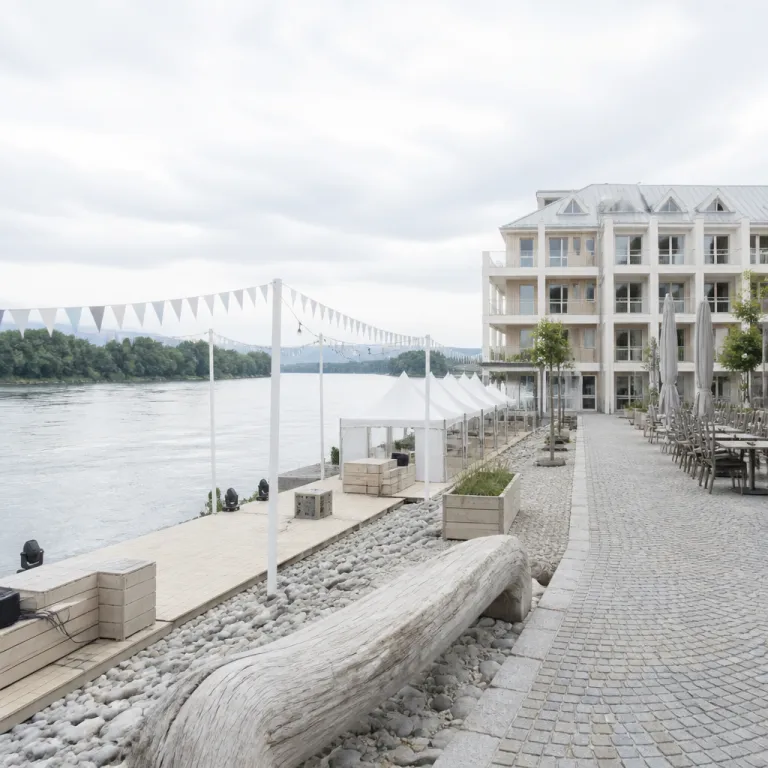
Belgrade in mid July is a city that empties by day and fills the rivers by night, as locals migrate to the Sava and Danube splavovi for long summer evenings. For Serbia July travel, this is the time when Belgrade Serbia feels most extroverted, with terrace dinners, late night DJ sets and a constant flow of boats sliding past the city lights. If your trip is focused on nightlife, base yourself in riverside districts for easy access to the floating bars, then escape to the Serbian countryside once the music festival weekends and EXIT crowds start to feel intense.
For quieter luxury, the best strategy is to treat the country Serbia as a network of rural hideaways, each with its own micro climate and character. Zlatibor offers pine forests, rolling meadows and cooler Serbia weather at altitude, while Mokra Gora combines wooden chalets, narrow gauge railways and cinematic mountain views that reward every photo you take. These regions sit close to major river events like the Drina Regatta in Bajina Bašta and the Veseli Spust descent on the Ibar, so you can watch thousands of rafts drift past by day, then retreat to a spa suite or pool deck by late afternoon.
Vojvodina’s flatlands north of Belgrade are another strong option for those who want to visit Serbia in July but avoid the densest tourist season crowds. Here, elegant farm stays and wine estates offer long table dinners, serious cellars and a direct connection to local village life, which is especially vivid during harvest preparations and weekend fairs. For a curated starting point, explore our guide to farm stays in Vojvodina where the kitchen garden sets the menu, then layer in day trips to Novi Sad or smaller Danube towns for contrast.
National parks, river festivals and heat wise planning for July Serbia
Serbia July travel is not only about EXIT and Belgrade’s riverside nightlife ; it is also the moment when national parks and river valleys are at their most alive. Tara National Park and Đerdap National Park on the Danube offer dense forests, canyon viewpoints and boat trips that work beautifully in warm sunny weather, especially if you start early and retreat to shade by midday. When you plan places visit lists for these areas, think in terms of one or two headline viewpoints, a slow lunch in a local village restaurant and then time by the water rather than a packed checklist.
Mid July also brings the Drina Regatta in Bajina Bašta and the Veseli Spust on the Ibar River, both of which combine river rafting, music and a festival atmosphere that feels deeply Serbian. Official data notes that the Drina Regatta attracts around 10,000 participants and that the Veseli Spust covers a 25 kilometre river descent, which gives you a sense of the scale and energy involved. These events sit slightly outside the classic international tourist season narrative, yet they are some of the best ways to understand how the country Serbia celebrates summer on its own terms.
Because July weather can be intense, luxury travelers should build heat management into every day of their Serbia travel. Choose hotels with pools or river access, prioritise suites with balconies or terraces for evening breezes, and schedule spa treatments or naps during the hottest hours when weather Serbia wide is least forgiving. For mountain relief beyond the classic winter image, look at Kopaonik’s high altitude trails and spa hotels, which we cover in depth in our guide to Kopaonik summer hiking and spa escapes, then weave those stays into a broader itinerary that also touches Belgrade, Novi Sad and at least one national park.
FAQ
What is the EXIT Festival and how does it affect hotel availability in Novi Sad?
EXIT Festival is a major music festival held at Petrovaradin Fortress in Novi Sad, drawing more than 200,000 attendees over several days. During this period, central hotels and premium apartments in Novi Sad and Petrovaradin sell out quickly, especially those near the Danube and fortress access points. If your Serbia July travel plans include EXIT, book accommodation several months ahead and consider countryside estates nearby if city options are full.
How hot is Serbia in mid July and how should I plan my daily schedule?
In mid July, Serbia weather in cities like Belgrade and Novi Sad typically reaches or exceeds 30 °C during the afternoon, with cooler mornings and late evenings. The most comfortable rhythm is to sightsee early, rest or enjoy spa and pool time during the hottest hours, then head out again after sunset. This pattern works especially well if you are combining city stays with national parks or river festivals, where midday shade can be limited.
Where should I stay if I want to avoid festival crowds but still enjoy summer in Serbia?
If you prefer to avoid music festival crowds, focus your trip on mountain and rural regions such as Zlatibor, Mokra Gora, Tara National Park and the wine and farm estates of Vojvodina. These areas offer cooler air, quieter evenings and strong local food and wine, while still allowing day trips to Belgrade or Novi Sad if you want occasional city energy. Choosing smaller village based hotels or countryside retreats also keeps you away from the busiest tourist season zones.
Are Serbia’s national parks worth visiting in July for luxury travelers?
National parks in Serbia, including Tara and Đerdap, are excellent July destinations for travelers who value space, scenery and discreet comfort. Many premium lodges and hotels near these parks now offer spa facilities, pools and curated excursions, so you can enjoy viewpoints and boat trips without sacrificing comfort. Plan early morning activities, then long lunches and relaxed afternoons, and you will find July Serbia landscapes both manageable and rewarding.
How far in advance should I book luxury hotels for a Serbia July trip?
For mid July, especially around EXIT Festival and major river events, it is wise to secure your preferred luxury or premium hotels three to six months in advance. Belgrade riverside properties, Novi Sad city centre hotels and standout countryside retreats near major rivers or national parks are the first to fill. If you are flexible on exact location within a region, you will still find quality options closer to your travel dates, particularly in smaller towns and villages.