Why this western Serbia itinerary works for premium families
Western Serbia rewards families who like their luxury quiet, local and close to nature. This three day western Serbia itinerary focuses on short driving times, characterful stays and activities that work for both younger children and teenagers. You move enough each day to feel the journey, yet you still have time to linger over a long lunch by a lake or a slow evening on a terrace facing the forest.
For many travelers, a wider Serbia itinerary starts in Belgrade, then loops through other cities such as Novi Sad before turning towards west Serbia and the Drina canyon. That pattern makes sense, because the capital city offers the best international connections and the broadest choice of premium hotels, while western Serbia delivers the drama of Tara National Park, the Drina River and the Šargan Eight heritage railway. When you plan three days Serbia style, think of this route as the nature focused chapter that balances the art nouveau façades of Novi Sad and the Petrovaradin Fortress with deep green valleys and quiet river villages.
Families used to European road trips will find the driving in western Serbia relatively relaxed, especially compared with busier cities elsewhere on the continent. Distances between Belgrade, Bajina Bašta, Mokra Gora and Zlatibor are manageable in a single day, so you can structure each day trip around one main activity and one memorable meal. Local tourism boards actively promote eco tourism, cultural heritage tourism and adventure tourism, which means signage, basic infrastructure and hospitality staff are increasingly prepared for international guests.
Day 1: from Belgrade to the Drina River and Bajina Bašta
Start your first day in Belgrade with an early hotel breakfast, then pick up your rental car and head southwest towards west Serbia and the Drina River valley. Leaving the city, you swap the Danube views and riverside promenades for rolling hills, orchards and small towns that hint at the slower rhythm ahead. If you have not yet explored the capital’s riverside districts, this is the moment to bookmark a detailed guide to Belgrade’s waterfront neighborhoods on My Serbia Stay for your return.
The drive from Belgrade to Bajina Bašta usually takes around three and a half to four hours (about 190–210 kilometers), depending on traffic and how many scenic pauses you build into your western Serbia itinerary. Plan at least one recommended day stop near Užice, where you can stretch your legs, refuel and enjoy a simple grilled lunch before continuing towards the Drina canyon road. As the landscape tightens, the river appears below, and you understand why eco tourism and rafting have become such important parts of regional travel.
Near Bajina Bašta, the famous River House perched on a rock in the middle of the Drina River becomes the focal point of the afternoon. This single image has done more for western Serbia tourism than many campaigns, yet the atmosphere on site remains surprisingly low key and family friendly. Local guides often explain that the Drina River length in Serbia is commonly cited at just over 200 kilometers, which helps you appreciate how this calm section fits into a much larger cross border landscape shared with Bosnia and Herzegovina. As evening falls, the smell of wood smoke from riverside grills mixes with the sound of water, and children usually end up skipping stones while adults linger over coffee.
Day 2: Tara National Park, Zaovine Lake and forest guesthouses
The second day is where this western Serbia itinerary shifts fully into nature, with Tara National Park as your base and playground. From Bajina Bašta, it is a short drive of about 30–45 minutes up into Tara, where dense spruce forests, viewpoints above the Drina canyon and quiet villages create a very different mood from the capital city. Families who usually split their Serbia days between city breaks and mountain resorts will immediately feel why Tara has become a favorite cool weather escape for Belgrade regulars, a trend explored in depth on My Serbia Stay’s guide to Serbia’s mountain resorts.
Plan your morning around one of the classic Tara National Park viewpoints, such as Banjska Stena, where the Drina River and Perućac Lake form a sweeping panorama. Trails here are well marked, and local tourism boards promote guided tours for visitors who prefer a structured day trip with a local guide who knows every bend in the forest. Wear comfortable clothing, carry local currency for parking and snacks, and remember that offline navigation is useful, because mobile coverage can fade in the deeper valleys of western Serbia.
In the afternoon, shift towards water with time at Perućac Lake or the quieter Zaovine Lake, both framed by forested slopes and small hamlets. Kayak rentals and gentle lakeside walks work well for families, while more active travelers can combine a longer hike with a late swim before returning to their guesthouse. Dinner is usually built around local trout, slow roasted lamb, forest mushrooms and berry desserts, and this is where hospitality staff in forest villages show how personal and unhurried premium rural travel in Serbia can feel. Many family friendly lodgings around Tara, such as simple cabins from roughly €40–60 per night, mid range chalets in the €70–100 bracket and more polished lodges from about €110 upwards, offer spacious rooms, playgrounds and hearty breakfasts that keep both adults and children happy.
Day 3: Šargan Eight, Mokra Gora and the road back
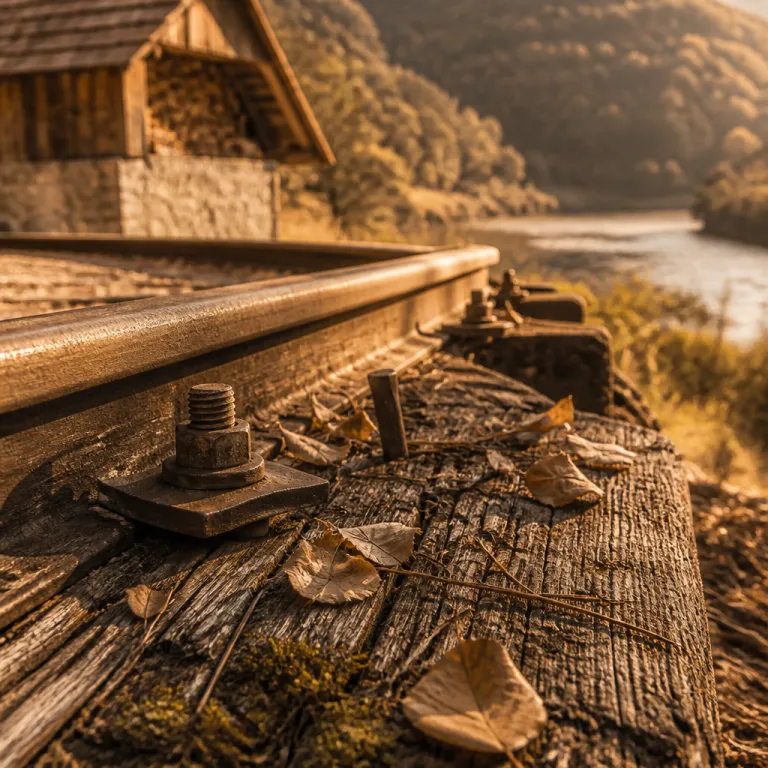
Your third day focuses on the Šargan Eight railway and the wooden village of Mokra Gora, two of the most distinctive experiences in any western Serbia itinerary. The historic narrow gauge Šargan railway runs on a loop of roughly 15 kilometers with more than twenty tunnels and several bridges, climbing through tight curves that form a figure eight when seen from above. Local tourism boards describe it simply and accurately in their own travel guide material : "What is the Šargan Eight railway?" and the answer follows, "A historic narrow-gauge railway in western Serbia." While the line itself is not on the UNESCO World Heritage List, it is part of a broader effort to preserve industrial heritage in the region.
Families usually book a morning departure on the Šargan railway, which leaves the afternoon free for Mokra Gora and the nearby ethno style village of Drvengrad. Trains typically run one to three times a day in high season, with a round trip lasting about two and a half hours and standard tickets often in the range of €8–15 per adult and reduced fares for children. Children enjoy the train ride itself, while adults tend to appreciate the engineering, the restored stations and the way each stop frames a different slice of west Serbia’s landscape. Remember that schedules can change with maintenance needs, and it is wise to check times in advance or ask your accommodation to confirm the latest timetable.
After the train, spend a few hours in Mokra Gora, where wooden chalets, small cafés and views towards Zlatibor create a relaxed final chapter before you return towards Belgrade or continue your Serbia itinerary south. Some travelers choose to overnight again near Tara National Park, while others drive directly to Zlatibor for one last mountain evening before the cities call again. As you follow the road back, the scent of pine fades into the drier air of the lowlands, and it is common for children to fall asleep in the back seat while adults quietly plan which valley or festival to explore on their next Serbia days. If your wider Serbia days include festivals or events, My Serbia Stay’s guide to how Serbian cities empty while rivers and festivals fill in mid summer offers useful context for timing your journey.
Where to stay and what to eat along the route
Accommodation in western Serbia leans towards intimate guesthouses, family run lodges and a growing number of polished rural retreats that suit premium families. Around Tara National Park, expect forest guesthouses with generous rooms, balconies facing the trees and hosts who distil their own rakija from orchard plums, often serving it alongside homemade jams at breakfast. Near Mokra Gora, ethno style villages offer wooden cabins with modern bathrooms, while Zlatibor provides larger hotels for those who prefer more facilities at the end of an active journey.
When you plan your Serbia days, think of each overnight as part of the experience rather than just a place to sleep. In Bajina Bašta, a riverside stay lets you walk to the Drina River in the evening, when the River House glows softly and the crowds thin, while in Tara you might choose a hillside property where children can roam safely between pine trees. Hospitality staff in these forest villages are used to both guided tours and self guided travelers, and they often help arrange rafting on the Drina River or a tailored day trip to nearby viewpoints.
Food is a highlight throughout this western Serbia itinerary, with menus built around local ingredients and generous portions that work well for families. Look for grilled trout from Perućac Lake, slow cooked lamb, seasonal forest mushrooms and berry desserts that change with the time of year, from wild strawberries to blueberries and raspberries. Even in small villages, you will usually find at least one restaurant or roadside inn where the owner recommends a dish of the day, and this personal guidance often leads to the most memorable meals of the journey.
Extending your Serbia itinerary: cities, culture and cross border ideas
Once you have completed three days in western Serbia, it is tempting to expand your Serbia itinerary to include more of the country’s cities and cultural highlights. Many travelers pair this loop with time in Novi Sad, where art nouveau architecture, café terraces and the Petrovaradin Fortress create a very different atmosphere from Tara’s forests and the Drina canyon. A stop in Sremski Karlovci, just outside Novi Sad, adds baroque churches, wine cellars and a compact old town that works well as a half day trip on your way back to Belgrade.
Belgrade itself deserves at least one full day at the beginning or end of your journey, especially if you enjoy riverside walks, historic fortresses and a dining scene that rivals larger European cities. The capital’s position at the confluence of the Sava and Danube rivers makes it a natural hub for travel across Serbia, whether you are arriving by plane, train or regional bus. From here, you can connect your western Serbia itinerary with other regions, such as the plains of Vojvodina or the southern mountains, depending on how many days Serbia can claim in your calendar.
Some families consider extending their west Serbia loop towards the border with Bosnia and Herzegovina, where the Drina River continues its course between steep canyon walls. If you choose this option, check current border crossing requirements and road conditions, and allow extra time for formalities, especially in peak travel seasons. Whether you stay within Serbia or cross into neighboring countries, the combination of national parks, historic railways and characterful cities makes this corner of the Balkans feel both compact and surprisingly rich in experiences.
FAQ
How many days do I need for a western Serbia itinerary with children ?
Three days is a comfortable minimum for a western Serbia itinerary that includes the Drina River, Tara National Park and the Šargan Eight railway. With three days Serbia style, you can limit daily driving, build in rest time and still enjoy one major activity each day. If you have more time, adding an extra day trip around Tara or Zlatibor allows for slower mornings and additional hikes or lake time.
Is the Šargan Eight railway suitable for young children ?
The Šargan railway is generally suitable for families, because the ride is relatively short and the scenery changes often enough to hold attention. Trains have enclosed carriages, and there are several short stops where children can stretch their legs and take photos. It is still wise to bring snacks, water and a light jacket, because weather in west Serbia’s mountains can change quickly.
Are there good accommodation options in forest villages near Tara National Park ?
Yes, there are various lodgings available in forest villages around Tara National Park, ranging from simple guesthouses to more polished rural retreats. Many properties are family run, with hospitality staff who can arrange guided tours, rafting or transfers to trailheads. Booking ahead is recommended in peak seasons, especially if you need larger family rooms or specific amenities.
Do I need a car for this three day journey in western Serbia ?
A car offers the most flexibility for this three day journey, because public transport between the Drina valley, Tara and Mokra Gora is limited and not always timed for day trips. With a car, you can adjust your itinerary to weather, children’s energy levels and spontaneous stops at viewpoints or village cafés. If you prefer not to drive, consider hiring a private driver or joining a small group tour that follows a similar route.
Is the Drina River suitable for rafting for families ?
The Drina River is popular for rafting activities, and several operators offer family friendly trips on calmer sections near Bajina Bašta and Perućac. Always check age limits, safety equipment and guide qualifications before booking, and be honest about your group’s swimming ability. During periods of high water, some stretches may be restricted, so local advice on the day is essential.