Why a Niš Serbia visit belongs on your luxury family itinerary
Niš is the southern Serbian city where history, food and easy logistics align for a refined family break. For a Niš Serbia visit that feels both manageable in time and rich in culture, this third largest Serbian city offers Roman ruins, an Ottoman fortress and a relaxed riverfront that work beautifully as a two day escape. Families who want a place with depth but without Belgrade’s scale will find that Niš city delivers serious heritage in a compact, walkable city centre.
Think of your first day as a curated arc through the centuries, starting with the Roman legacy of Constantine the Great and ending with the sobering story of the Skull Tower and the Red Cross concentration camp. A well planned Niš itinerary lets you move from the archaeological hall at Mediana to the Ottoman built Niš Fortress and then to the memorial park at Bubanj Hill without rushing children or grandparents. The Niš Tourism Board and local historians work together on guided tours, and they structure time so that people absorb complex stories at a humane pace.
For premium travelers, the key is choosing hotels that sit between the river promenade and the old town, giving you quick access to both the Niš Fortress park and the restaurant lined streets. Many of the best things for families are within a 10 to 15 minute walk, which means you can return to your room for a rest between the Skull Tower, the national museum and late afternoon gelato by the river. A Niš Serbia visit also pairs well with a wider Serbian itinerary that might include a Habsburg heritage weekend in Novi Sad and Petrovaradin, described in detail in this family focused Danube city guide.
Day one in Niš: fortress mornings, Skull Tower afternoons and Mediana mosaics
Start your first full day early inside Niš Fortress, the Ottoman era stronghold built on Roman foundations beside the Nišava River. This fortress is now a landscaped park where children can run safely, while parents appreciate the surviving gates, ramparts and the way the city uses the space for concerts and the Nisville jazz festival. During a Niš Serbia visit, walking the fortress at opening time gives you soft light, quiet paths and a clear sense of how this place once controlled movement along the river.
From the fortress, move towards the Skull Tower, the most striking single monument in Niš and one of the best things to see in any Serbian city. The tower was built by Ottoman authorities using the skulls of Serbian rebels, and it now stands inside a chapel on the edge of the city centre, where families can engage with guides who explain the Serbian uprisings in age appropriate language. One of the most common questions from visitors is very direct; “What are the must-see historical sites in Niš?” and the verified answer remains equally clear; “Niš Fortress, Mediana, Skull Tower.”
In the afternoon, head to the Mediana archaeological hall and open air site, where the Roman imperial residence of Constantine the Great once anchored this part of the empire. The mosaics and foundations are well interpreted, and local historians often lead tours that connect Mediana with other things Niš is known for, including the later concentration of power around the Ottoman camp and fortress. If you are planning to visit Niš with children, allow at least half a day for this combination of fortress, tower and Roman ruins, and build in time for a relaxed lunch of grilled Serbian specialities nearby.
Day two in Niš: river promenades, Tinkers’ Alley and the story of Bubanj
Your second day in Niš city should feel slower, centred on the Nišava River promenade and the narrow streets of the old craftsmen’s quarter. Begin with a walk along the river, where well paved paths, playgrounds and café terraces make this one of the most pleasant things Niš offers to families who like to mix light activity with people watching. From here, it is a short stroll into Kazandžijsko sokače, known in English as Tinkers’ Alley, a compact place where restored façades, traditional Serbian restaurants and small bars give a sense of the pre modern city.
Late morning is a good time to explore the main food market near the city centre, where you can see how southern Serbian produce differs from what you may have tasted in Belgrade or Novi Sad. Stalls overflow with paprika, kajmak, local cheeses and the ingredients that underpin Niš cuisine, and culinary experts sometimes run informal tastings for visitors who book ahead through tour agencies. If your Niš Serbia visit coincides with a cultural tour organised by the Niš Tourism Board, you may also find culinary workshops that use maps, audio guides and cooking utensils to connect market produce with traditional dishes.
In the afternoon, shift the tone and take a taxi to Bubanj Hill, a memorial park on the western edge of Niš that commemorates mass executions during the Second World War. The Bubanj memorial consists of three concrete fists rising from the landscape, symbolising men, women and children, and the surrounding parkland offers space for reflection after the more intense narrative at the Red Cross concentration camp site. Many families choose to visit the Crveni Krst, or Red Cross, camp either before or after Bubanj, and this thoughtful pairing of memorials means you can structure a half day that honours history while still leaving time for a gentle river walk before dinner.
Understanding Niš’s darker heritage: Red Cross camp, memorial parks and national narratives
No honest Niš Serbia visit can ignore the role Niš played during the Second World War, and approaching this history with care is part of traveling responsibly. The Red Cross concentration camp, known locally as Crveni Krst, sits in a quiet residential area, yet its preserved barracks and watchtowers tell one of the most powerful stories in the city. Exhibitions here explain how the camp functioned, how people attempted escapes and how the site connects with the executions commemorated at Bubanj Hill and the Bubanj memorial park.
Inside the small museum, you will find a collection of personal objects, documents and photographs that link individual lives to the wider Serbian and European narrative of occupation and resistance. Guides from local museums and the Niš national heritage organisations lead tours that are frank but sensitive, making this one of the best things for older children and teenagers who are ready to engage with complex history. The expected impact of these visits, as framed by the city and its partners, is increased cultural appreciation and tourism that respects rather than trivialises the past.
Balancing this darker heritage with the spiritual and artistic side of Serbia can work well in a longer itinerary that includes a monastery road trip through the country’s interior. Families often combine a visit Niš weekend with a journey to the medieval monasteries of Studenica, Žiča and Sopoćani, which are explored in depth in this guide to Serbia’s spiritual heartland. Taken together, the Red Cross camp, the Skull Tower, the Nisville festival at the fortress and the frescoed monasteries elsewhere in Serbia show how this country has turned sites of suffering and faith into places of reflection that modern travelers can engage with thoughtfully.
Where to stay in Niš: luxury and premium hotels for families near the fortress
For a comfortable Niš Serbia visit, location matters more than sheer room size, especially when traveling with children or older relatives. Aim for properties within a short walk of the Niš Fortress and the Nišava River, where you can reach the park, the city centre cafés and the main pedestrian streets without relying on taxis. This area also places you between the national museum, the archaeological exhibitions and the restaurant cluster around Tinkers’ Alley, which keeps daily logistics simple.
Premium hotels in Niš city tend to be mid rise properties with contemporary Serbian design, generous breakfasts and well trained staff who understand both business and family travelers. Many offer connecting rooms or suites that work well for parents who want privacy without being far from children, and some have small wellness areas that echo the spa culture of nearby Niška Banja. When you book, ask specifically about views towards the fortress, access to underground parking and whether the property can arrange private guides for the Skull Tower, Mediana and the Red Cross concentration camp.
Travelers who prefer more characterful stays sometimes combine a night or two in central Niš with rural properties elsewhere in Serbia, using resources such as this guide to ethno villages and eco lodges to extend their trip. This strategy works particularly well for families who want to balance intense historical sites like Bubanj Hill and the Bubanj memorial with lighter days in the countryside. Whatever you choose, booking through a platform that specialises in Serbian hotels ensures you see up to date information on room categories, spa access and family friendly services.
Food in Niš: southern Serbian flavours, markets and family friendly dining
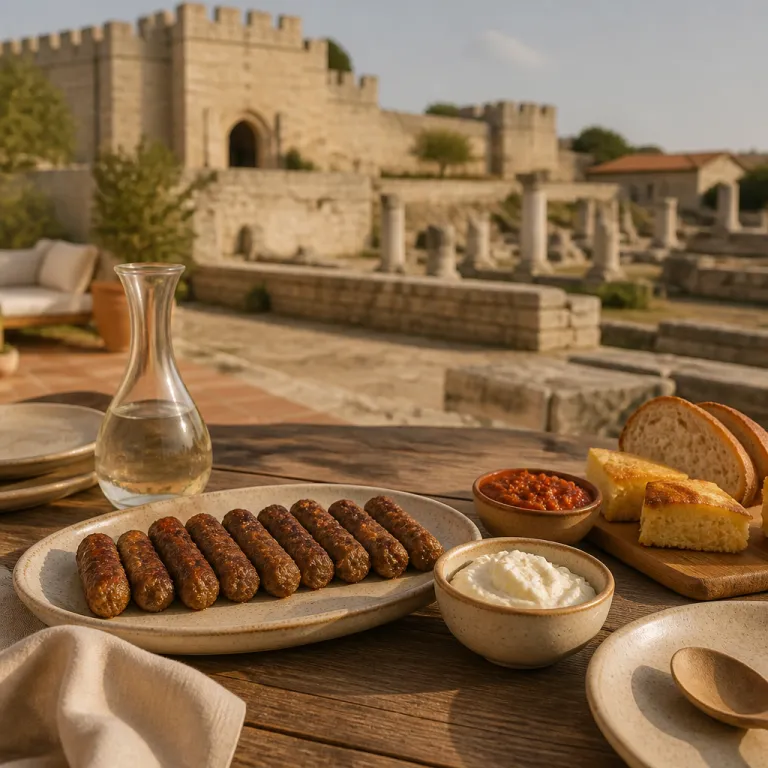
One of the strongest reasons to plan a Niš Serbia visit is the food, which reflects a distinctly southern Serbian palate shaped by Ottoman influences and local produce. Grilled meats dominate, but the way Niš handles leskovački roštilj, spicy sausages and the creamy heat of urnebes salad sets the city apart from Belgrade’s more cosmopolitan restaurant scene. For breakfast, many people head straight for Niš burek, a layered pastry that is richer and more indulgent than versions elsewhere in the country.
At lunch and dinner, look for traditional Serbian restaurants in and around Tinkers’ Alley, where menus often feature slow cooked beans, stuffed peppers and seasonal salads alongside the expected grills. Culinary experts in Niš sometimes collaborate with local restaurants to offer tasting menus that pair regional wines with classic dishes, and these experiences can be arranged through tour agencies or directly with venues. Families appreciate that portions are generous, prices remain reasonable compared with other European cities and staff are used to adapting dishes for children without fuss.
To understand the full food story of Niš city, spend time in the main market and smaller neighbourhood stalls, where you can see how paprika, ajvar and homemade rakija underpin daily life. Guided culinary workshops, which are part of some cultural tour packages, use cooking utensils and simple recipes to help visitors recreate Serbian dishes at home, turning a short visit Niš weekend into a longer lasting memory. When you combine these flavours with evenings at the Nisville jazz festival inside the fortress park, you begin to see why Niš has become Serbia’s second major tourist gateway for people who care as much about food and culture as they do about comfortable hotels.
Practicalities: getting to Niš, Niška Banja day trips and planning your time
Reaching Niš is straightforward, which makes a Niš Serbia visit an easy addition to a wider Balkan itinerary for families. The drive from Belgrade takes around two and a half hours on a modern highway, while Niš Constantine the Great Airport offers international connections that position the city as Serbia’s second major air gateway. Train options exist as well, and many people appreciate the slower pace and landscape views, especially when traveling with children who enjoy the novelty of rail travel.
Once in Niš city, you can rely on taxis and your own feet, since most key sites sit within a compact radius of the city centre and the Nišava River. Plan one full day for the Niš Fortress, the Skull Tower, Mediana and the national museum, and a second day for the river promenade, Tinkers’ Alley, the market and the combination of the Red Cross camp with Bubanj Hill. If you have a third day, consider a short trip to Niška Banja, a thermal spa suburb about 10 minutes from the centre, where spa hotels, walking trails and parkland offer a softer counterpoint to the heavier history in town.
When allocating time, remember that historical sites such as the concentration camp at Crveni Krst and the Bubanj memorial park demand emotional energy as well as hours on the clock. Build in breaks at cafés near the fortress or by the river, and use the city’s green spaces to let children decompress between museum visits. With thoughtful pacing, a visit Niš weekend can feel both enriching and restorative, giving your family a layered understanding of southern Serbia without ever feeling rushed.
Key figures for a Niš Serbia visit
- Niš welcomes a steady flow of domestic and international tourists each year, a scale that keeps the city lively without overwhelming its historic streets.
- Local heritage organisations highlight a dense cluster of major historical sites in and around Niš, which is a high concentration for a city of this size.
- The Niš Culinary Association identifies numerous traditional dishes that are specific to the Niš and southern Serbian food culture, underlining how central cuisine is to the city’s identity.
- Weekend cultural tour programmes in Niš typically run from Friday evening to Sunday afternoon, giving visitors enough time to see the fortress, Mediana, the Skull Tower and key memorial parks without rushing.
FAQ about planning a weekend in Niš
What are the must see historical sites for a first visit to Niš ?
For a first Niš Serbia visit, prioritise Niš Fortress, the Skull Tower, the Mediana Roman site and the Red Cross concentration camp. These places together explain how the city moved from Roman imperial residence to Ottoman stronghold and then to a key site in modern Serbian history. If time allows, add Bubanj Hill and the Bubanj memorial park for a fuller understanding of the Second World War period.
How many days do I need in Niš city with children ?
Two full days work well for most families, allowing one day for the fortress, Mediana and the Skull Tower, and another for the river promenade, Tinkers’ Alley, the market and the main memorial sites. A third day gives you space for Niška Banja, where spa hotels and parkland offer a break from museums and monuments. With this timing, you can enjoy the best things Niš offers without overloading younger travelers.
Is the Red Cross concentration camp suitable for younger visitors ?
The Red Cross camp, or Crveni Krst, presents difficult material, so it is generally better suited to older children and teenagers who can process the history with guidance. Exhibitions include photographs, documents and personal stories that some younger visitors may find distressing. Parents should consider their children’s sensitivity and perhaps visit the site in smaller family groups while others enjoy time in the nearby park.
What makes Niš cuisine different from food in Belgrade ?
Niš cuisine leans into southern Serbian flavours, with spicier grilled meats, more paprika and dishes such as urnebes salad and Niš style burek that feel richer and more rustic than many Belgrade offerings. The city’s markets showcase local produce that shapes these recipes, from peppers to homemade cheeses and rakija. Eating in Niš gives travelers a sense of how regional variation works within Serbian food culture.
How does Niš fit into a wider trip around Serbia ?
Niš works well as a southern anchor in a broader Serbian itinerary that might start in Belgrade, continue through Novi Sad and Petrovaradin, and then move towards the monastery rich interior. Its airport and highway connections make it an easy entry or exit point, while the mix of fortress, Roman ruins and memorial parks adds depth to any journey. Many travelers also combine Niš with spa time in Niška Banja or rural stays elsewhere in the country.