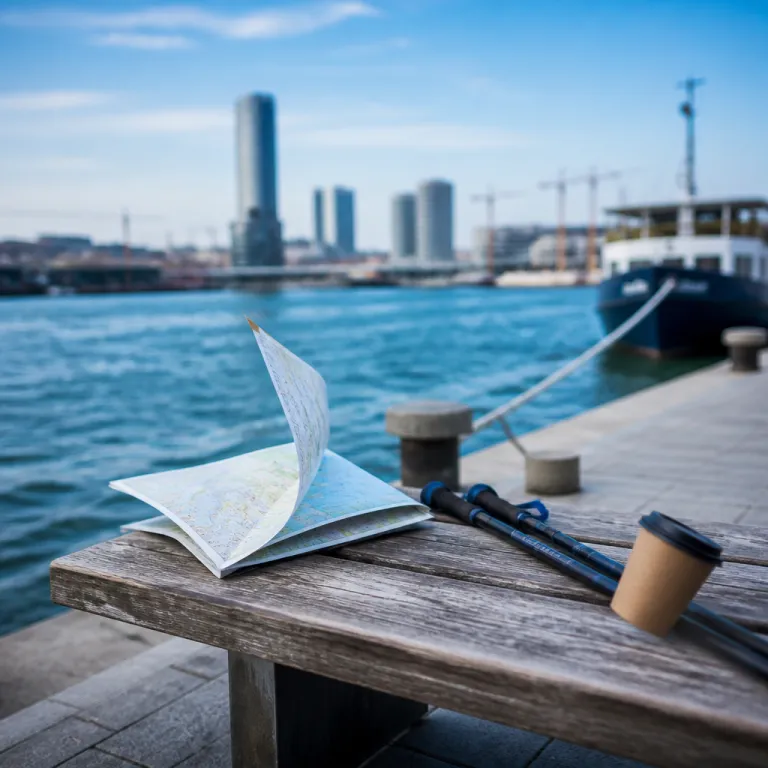
From Brankov Bridge to Savamala: where Belgrade’s rivers meet its past
Stand on Brankov Bridge at golden hour and the belgrade waterfront savamala axis unfolds beneath you. On one side the old city leans toward the Sava River with worn façades and tram lines, while on the other a new waterfront skyline of glass buildings signals how the city will present itself to Europe. This is where many luxury travelers first sense that Belgrade, and by extension Serbia, is negotiating its identity in real time.
Walk down toward the river and you enter Savamala, a historic district that locals still describe as rough around the edges yet culturally magnetic. Official guides often summarise it simply ; “Savamala is known for its cultural scene and historic architecture.” That cultural scene grew inside former warehouses and a grand belgrade cooperative building, where faded stucco and high ceilings now host galleries, co working spaces and performance venues.
For a traveler using a premium hotel booking website focused on Serbia, this first stretch matters because it sets expectations. You are not just choosing a residential building or a polished lobby ; you are choosing which version of the city centre you want outside your door. In Savamala, the streets between the main railway corridor and the river still feel improvised, with cafés tucked beside a post office, a small school and modest sports facilities that serve nearby residents.
Architecture fans should pause near the belgrade cooperative palace, one of the most ornate buildings in Belgrade. Its Habsburg era curves and sculptures contrast sharply with the clean lines of every new building Belgrade has allowed along the Sava waterfront. Look up from the square in front and you see tram wires, the Brankov Bridge structure and, in the distance, the rising silhouette of Kula Belgrade, each element telling a different chapter of the same Serbian story.
Savamala’s creative quarter: galleries, nightlife and characterful luxury stays
Once you leave the bridge behind, the belgrade waterfront savamala walk becomes more intimate and textured. Warehouses that once served the main railway yards now host galleries, design studios and cultural organisations that give this part of the city its reputation among independent travelers. The atmosphere is distinctly Serbian, with street art, casual rakija bars and a sense that time moves differently between the Sava River and the city centre.
Mikser House, often cited as a catalyst for Savamala’s revival, anchors this creative energy. Around it you will find small exhibition spaces, pop up design shops and informal performance venues, many tucked into buildings that still show their industrial construction scars. This is where a luxury traveler might spend an afternoon before heading back to a refined city stay, and where a curated platform such as Belgrade hotel stays for discerning guests becomes invaluable for matching your preferred level of edge or comfort.
Accommodation here tends to occupy older buildings rather than new residential towers, which means high ceilings, creaking staircases and views over railway lines or the Sava River instead of manicured squares. Some properties sit close to the former railway station and the old train station yards, giving guests a front row seat on how Belgrade will reshape this transport hub over time. Others are nearer to Sava Square, where the government has invested in public space upgrades that link the historic quarter to the emerging belgrade waterfront zone.
Evenings in Savamala are best for travelers who want atmosphere more than polish. You can move from a gallery opening to a low lit bar in a single block, then end the night with a late Serbian meal in a traditional restaurant that has watched the city change for decades. For many solo explorers, this side of belgrade waterfront savamala offers the richest sense of place, even if the buildings are less pristine than those across the riverfront promenade.
Crossing into Belgrade Waterfront: glass towers, promenades and curated luxury
Continue your walk toward the Sava River and the mood shifts as you approach the formal belgrade waterfront development. Here the streets widen, the paving becomes uniform and the skyline is dominated by Kula Belgrade, a 168 metre tower that has quickly become a new reference point for the city. The project is led by Eagle Hills from the United Arab Emirates, and its scale makes it one of the most ambitious waterfront construction schemes in this part of Europe.
The master plan covers more than one million square metres of mixed use space, with residential buildings, offices, hotels and leisure facilities arranged along landscaped promenades. Official material describes it succinctly ; “Belgrade Waterfront is a modern urban development along the Sava River.” For travelers, that translates into a walkable mall region with a major shopping mall, riverside cafés, a sports centre and family friendly squares that feel very different from the improvised streets of Savamala.
One of the most striking contrasts on this belgrade waterfront savamala route is how the new district frames public space. Sava Square has been redesigned as a formal gateway between the city centre and the river, with the former main railway station building now serving cultural functions rather than transport. From here, broad avenues lead you past residential building clusters toward the water, where the promenade offers uninterrupted views along the Sava River and back toward the historic city.
For luxury hotel guests, this side of Belgrade offers predictability and convenience. High rise residential towers sit above cafés, a shopping mall and wellness facilities, while international brands position themselves close to the biggest shopping and dining options. As the city prepares for large events such as EXPO 2027, debates continue about whether such developments, as explored in analyses like Belgrade after EXPO, will flatten the city’s identity or simply add another layer to it.
Where to stay and eat between Savamala and the Waterfront
Choosing a hotel along the belgrade waterfront savamala corridor is ultimately about deciding which version of Belgrade you want to wake up to. On the Savamala side, characterful properties occupy historic buildings near the old railway station, giving you quick access to galleries, Mikser House and the layered streets that run toward Republic Square. These stays suit travelers who value atmosphere, proximity to local bars and the feeling of living inside the city’s ongoing story.
Across Sava Square, the new belgrade waterfront district offers a different luxury proposition. Here you will find contemporary hotels integrated into mixed use complexes, some connected directly to the main shopping mall and others overlooking the Sava River promenade. Rooms tend to be larger, facilities more standardised and services aligned with international expectations, which appeals to guests who prioritise spa access, a modern sports centre or direct links to the city’s business districts.
One notable property bridging these worlds is the Bristol Belgrade, a restored landmark close to the river and the emerging Kula Belgrade cluster. Its early twentieth century architecture nods to the era of grand railway travel, while its interiors align with current luxury standards that international guests expect from a Regis Belgrade level of service. Staying here places you within walking distance of both the creative energy of Savamala and the polished avenues of the new waterfront.
Dining choices mirror this split personality. In Savamala you can eat in former warehouses where chefs reinterpret Serbian classics, then walk five minutes to a riverside bar built inside a converted barge on the Sava River. On the belgrade waterfront side, restaurants cluster around the shopping mall and the main squares, offering everything from regional grills to international menus that suit guests who prefer reservations, river views and a short stroll back to their residential building or hotel tower.
Local perspectives, timing your walk and planning a luxury stay
Ask three Belgraders what they think about belgrade waterfront savamala and you will hear three different answers. Some praise the government for finally investing in the Sava riverfront and turning derelict railway land into usable public space, while others argue that the construction has erased parts of the city’s industrial memory. Many locals fall somewhere in between, enjoying the new promenade yet still preferring to meet friends in the older streets of Savamala or around Republic Square.
One common thread in these conversations is concern about how quickly building Belgrade has shifted from small scale renovations to mega projects. Longtime residents remember when the main railway station was still active and the surrounding train station yards defined the area’s character. Now, as Eagle Hills and local partners complete more residential buildings and commercial facilities, questions remain about who the new apartments are for and how much of the waterfront will feel genuinely public over time.
For travelers, the best way to understand these nuances is to walk the route slowly, ideally starting on Brankov Bridge in late afternoon and ending with drinks by the Sava River after dark. This timing lets you see Savamala’s façades in soft light, then watch the glass towers of Kula Belgrade and neighbouring buildings glow as the city lights come on. If you are planning a longer Serbian itinerary that combines urban stays with wellness or nature, resources such as the guide to Serbia’s spa openings for wellness travelers can help you balance nights in Belgrade with time in quieter parts of Serbia.
Ultimately, both districts serve different moods and different stages of a trip. Savamala suits the solo explorer who wants to feel the grain of the city, from improvised galleries to small sports facilities and local cafés near the post office or school. The belgrade waterfront side works better when you crave order, riverfront promenades, easy access to the biggest shopping options and a clear sense that everything you need is within a few hundred metres of your hotel lobby.
FAQ
What is Savamala known for today ?
Savamala is known for its cultural scene and historic architecture. The district has evolved from an industrial zone near the old railway station into a creative quarter with galleries, co working spaces and nightlife. Travelers walk here for street art, independent venues and a strong sense of Belgrade’s layered history.
What exactly is the Belgrade Waterfront project ?
Belgrade Waterfront is a modern urban development along the Sava River. The project, led by Eagle Hills, includes residential buildings, offices, hotels, a major shopping mall and extensive public promenades. It aims to reconnect the city centre with the river while reshaping former railway and industrial land.
How do locals view Savamala and Belgrade Waterfront ?
Opinions vary ; some appreciate the modernization, others prefer preserving historical aspects. Many residents enjoy the new riverfront promenade and facilities but worry about losing the character that made Savamala distinctive. Conversations often focus on gentrification, housing affordability and how much of the waterfront will remain genuinely public.
Is this riverside walk suitable for solo travelers ?
The walk from Brankov Bridge through Savamala to Belgrade Waterfront suits solo travelers who are comfortable in urban environments. Paths are generally well lit, and the route passes busy streets, squares and riverfront areas. As in any European city, standard precautions such as staying aware of your surroundings and avoiding very quiet alleys late at night apply.
When is the best time of day to walk between Savamala and Belgrade Waterfront ?
Late afternoon into early evening offers the most atmospheric experience. You can see Savamala’s historic buildings in warm light, then watch the glass towers of Kula Belgrade and nearby complexes illuminate as the sun sets. This timing also aligns with gallery openings, riverside bar service and dinner options on both sides of the Sava River.