
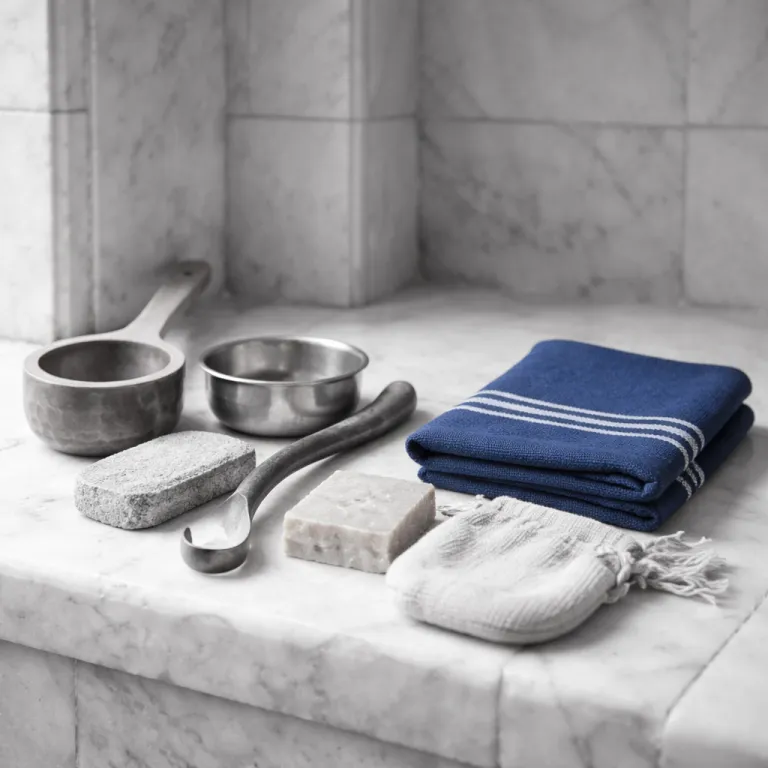
Sokobanja spa heritage as living history for modern families
Sokobanja spa heritage is not a themed backdrop; it is a working ritual that has flowed from Roman settlers to Ottoman Turks and into contemporary Serbia. In Sokobanja, families step into a spa town where Roman baths, a fifteenth century Turkish bath and polished hotel wellness floors coexist, turning every stay into a quiet lesson in time. This is where a premium countryside retreat feels both ancient and surprisingly natural.
The town of Sokobanja sits in eastern Serbia, framed by forested hills, the Moravica river and a central park that still anchors daily life. Roman times left the first structured baths here, then Ottoman builders raised a bath hamam on those foundations, creating the Turkish bath that still channels thermal springs according to local spa documentation and municipal tourism boards. When Prince Miloš Obrenović restored the complex in the nineteenth century, a renovation referenced in regional historical records and museum displays, he helped ensure that these healing waters would remain a central attraction for generations.
Today, the hammam stands in the park as the most tangible symbol of Sokobanja spa heritage, yet it is only one layer in a wider spa landscape. Families who have already visited spa towns such as Vrnjačka Banja or Banja Koviljača will notice how Sokobanja feels more intimate, with fewer crowds and a stronger sense of cultural heritage embedded in everyday routines. That quieter rhythm is ideal for children, who can relax, enjoy the pools and thermal springs without the overstimulation of larger resort complexes.
Luxury and premium hotels here build their wellness offers around this continuity, not in opposition to it. You will find indoor thermal pools fed by the same springs that once served Roman baths, alongside saunas, herbal steam rooms and treatment menus that reference traditional mud therapies. For nature lovers, the real luxury is the combination of natural beauty, clean air and a spa culture that still feels authentic rather than staged.
Families planning a first time visit often ask whether the baths are still operational and suitable for children. The official guidance from the Sokobanja tourist organisation and spa authorities is clear: “Are the Sokobanja baths still operational? Yes, they are operational, with seasonal maintenance closures announced locally. What is the historical significance of Sokobanja's baths? They represent a blend of Roman and Ottoman architectural heritage documented in Serbian cultural registers. What health benefits do Sokobanja's thermal waters offer? They are believed to aid in treating respiratory and rheumatic conditions, as noted in long standing medical spa programmes.” These concise answers frame Sokobanja spa heritage as both a wellness asset and a piece of living cultural infrastructure.
From Roman baths to Turkish hammam: how the layers shaped Sokobanja
Walk through the central park of Sokobanja and you move through centuries of spa thinking in a few hundred metres. The Roman settlers who first tapped the thermal springs understood the value of healing waters, building structured baths that turned a wild banja into an organised spa environment. Their legacy still shapes how the town channels water, heat and space into a coherent wellness experience.
Later, Ottoman Turks rebuilt the complex on those Roman foundations, creating the bath hamam that defines Sokobanja spa heritage today. This Turkish bath, with its stone domes and filtered light, offers a rare chance to experience an authentic hammam that still works as intended, rather than as a museum piece. Inside, the combination of thermal steam, cool resting rooms and simple stone benches feels both timeless and surprisingly family friendly.
Prince Miloš Obrenović’s nineteenth century renovation added another layer, bringing the baths into a modernising Serbia that saw spa culture as both health infrastructure and a marker of national pride. That rich history is not presented as a lecture; it is felt in the way local families still treat the hammam as a weekly ritual. For premium travellers, this continuity is the real attraction, more compelling than any themed spa built from scratch.
Compared with the more famous Vrnjačka Banja, Sokobanja’s grad core remains compact, walkable and closely tied to its springs. You can move from your hotel to the Turkish bath, then to the Moravica river banks and back through the park without ever needing a car. This makes the town ideal for families with younger children, who can enjoy short walks between attractions and return easily to rest.
For those curating a wider Serbian countryside itinerary, Sokobanja pairs elegantly with wine country weekends in Fruška Gora, where discreet estates and monasteries offer a different kind of cultural heritage. Our guide to Fruška Gora wine country shows how Belgrade locals structure those escapes, which can frame Sokobanja as the wellness anchor of a longer journey. Together, these destinations reveal a Serbia where spa traditions, vineyards and forested hills form a coherent, slow travel circuit.
Choosing the right spa hotel: where heritage meets contemporary comfort
Not every property in Sokobanja delivers on the promise of its spa heritage, so choosing carefully matters for premium families. The best hotels treat the town’s thermal springs as a serious asset, integrating them into pools, private baths and treatment rooms rather than just mentioning them in marketing copy. When you evaluate options, look for clear information on water temperature, direct access to thermal circuits and how treatments reference local traditions.
Several established hotels near the central park have invested in wellness zones that echo the atmosphere of the Turkish bath without copying its architecture. Expect stone lined pools, quiet relaxation rooms and treatment menus that use herbal infusions, mineral rich mud and techniques inspired by generations who have visited spa facilities here. Properties that simply offer a generic pool without thermal water or context rarely justify premium rates in a town with such a strong spa identity.
Families often appreciate hotels that balance heritage with practical comforts such as spacious family rooms, interconnecting suites and supervised kids’ pools. A property like Miloš Konak, for example, positions itself as a comfortable base that respects Sokobanja spa heritage while offering modern amenities and easy access to the park and grad centre; always confirm current facilities, contact details and any seasonal changes directly with the hotel before booking. When a hotel team can explain the difference between a quick swim and a structured thermal circuit, you know they take the healing waters seriously.
For travellers stitching Sokobanja into a broader Serbian itinerary, it helps to think of the town as the wellness chapter in a longer narrative. Our guide on how independent visitors stitch together a luxury itinerary in Serbia outlines how to combine spa towns, wine regions and mountain retreats without losing coherence. In that context, Sokobanja sits alongside Vrnjačka Banja and Banja Koviljača as part of a trio of historic spa destinations, each with its own character and level of polish.
When comparing these towns, Sokobanja stands out for its unique combination of natural beauty, intact Turkish bath and quieter profile among international travellers. Vrnjačka Banja excels at grand hotels and manicured promenades, while Banja Koviljača offers stately architecture and river views, but neither has a working hammam on Roman foundations. For families who value authenticity over spectacle, that difference can be decisive.
A four night family rhythm: how to let Sokobanja’s heritage sink in
A four night stay gives families enough time to feel Sokobanja spa heritage without turning the trip into a checklist. On day one, arrive from Belgrade after the three hour drive, settle into your hotel and take a gentle walk through the park to orient yourselves. Let children run between the trees while adults note the location of the Turkish bath, the main attractions and the easiest routes back to the property.
Day two can focus on water and warmth, starting with a family friendly session in your hotel’s thermal zone before visiting the historic hammam during quieter hours. Alternate short dips in the thermal springs with cool breaks, following local advice on how long to stay in each room so that everyone can relax, enjoy the ritual and avoid fatigue; many spa doctors recommend limiting children’s time in hotter pools and steam rooms, so ask staff for age specific guidance. In the afternoon, stroll along the Moravica river, where the combination of flowing water and forested banks underlines why nature lovers gravitate to this valley.
On day three, shift the emphasis from spa to landscape and cultural heritage. A hike or short excursion to Soko Grad, the medieval fortress above town, gives older children a tangible sense of history and sweeping views over the banja and surrounding nature. Returning to the hotel for a late afternoon swim or a gentle massage helps the body absorb both the physical exertion and the stories of Roman times, Ottoman rule and modern Serbia.
Day four is your buffer, the space that turns a visited spa into a remembered one. Use the morning for a final hammam session or a tailored treatment that draws on local herbs and mud, then spend the afternoon in the park, letting the rhythm of Sokobanja’s grad life wash over you. This is also the moment to apply any summer tips from your hotel team, whether that means timing walks to avoid heat or choosing shaded café terraces where children can rest.
Families travelling outside the peak summer period will find the microclimate particularly gentle, with clean air that benefits those with respiratory sensitivities. The town’s reputation for healing waters is not a marketing invention; generations have come here for relief from rheumatic and breathing conditions, and the continuity of use speaks for itself. By the time you leave, the layering of spa rituals, nature and slow days tends to feel less like a holiday activity and more like a template for future trips.
Practicalities, countryside pairings and when to go
Reaching Sokobanja is straightforward for independent travellers who are comfortable driving in Serbia. The town lies roughly 230 km southeast of Belgrade, with a journey time of about three hours on well maintained roads, though there is currently no direct rail option that matches premium expectations. For families, a private transfer or rental car remains the most flexible way to arrive, especially if you plan to combine several countryside retreats; your Belgrade hotel or a licensed local agency can arrange door to door transport with child seats on request.
The perfect time to appreciate Sokobanja spa heritage depends on your priorities, but shoulder seasons often strike the best balance. In late spring and early autumn, temperatures are mild enough for long walks in nature while the thermal springs feel pleasantly warm rather than overwhelming. Summer brings livelier streets and more outdoor attractions for children, yet careful planning and local summer tips can help you avoid the hottest hours.
Many travellers pair Sokobanja with other nature focused regions, such as Tara National Park in western Serbia, where dense forests and river canyons frame discreet high end lodgings. Our feature on wilderness stays in Tara National Park outlines how to structure that leg, which contrasts Sokobanja’s spa centric rhythm with more overt outdoor adventure. Together, these destinations show how Serbia offers both thermal comfort and wild landscapes within a single itinerary.
When planning, think of Sokobanja not just as a spa town but as a compact ecosystem where natural beauty, cultural heritage and wellness infrastructure reinforce each other. The featured image in many travellers’ minds might be the domes of the Turkish bath or the curve of the Moravica river, yet the real memory often lies in the quiet moments between treatments. For premium families, that might be a child napping after a gentle swim, or a shared walk back through the park at dusk, when the grad settles into its evening rhythm.
As you refine your plans, compare Sokobanja with Vrnjačka Banja and Banja Koviljača not in terms of size, but in terms of how each town lets you relax, enjoy and reconnect. Sokobanja’s unique blend of Roman baths, Ottoman hammam and modern spa hotels offers a depth that rewards repeat visits, especially for those who value continuity over spectacle. In a region where many destinations chase novelty, this quiet, layered banja stands apart.
FAQ about Sokobanja’s healing waters and spa heritage
Is the Turkish hammam in Sokobanja still operational for visitors ?
Yes, the historic Turkish bath in Sokobanja remains operational and continues to function as a working hammam rather than a museum. It channels thermal springs that have been used since Roman times, with water temperatures reported as warm enough for therapeutic bathing by local spa operators and tourism offices. Visitors should check current opening hours, family friendly time slots and ticket prices directly with the Sokobanja tourist centre or their hotel, as access, seasonal schedules and entrance fees can change.
What health benefits are associated with Sokobanja’s thermal springs ?
Sokobanja has long been known for healing waters that are believed to support people with respiratory and rheumatic conditions. The combination of mineral rich thermal springs, clean mountain air and a protected natural environment creates a favourable setting for gentle recuperation. While many guests report feeling better after a stay, medical advice from a healthcare professional should always guide any therapeutic expectations.
How does Sokobanja compare with Vrnjačka Banja and Banja Koviljača ?
Vrnjačka Banja is larger and more widely known, with grand hotels and a lively promenade, while Banja Koviljača offers stately spa architecture and proximity to the Drina river. Sokobanja is smaller and quieter, with a unique working Turkish bath built on Roman foundations and a strong connection between the town, its park and surrounding nature. For families seeking a less crowded, more historically layered spa experience, Sokobanja often feels more intimate and authentic.
Is Sokobanja suitable for families with young children ?
Yes, Sokobanja works well for families, especially those who appreciate a slower rhythm and easy access to nature. The compact grad centre, central park, riverside walks and family friendly spa hotels make it simple to balance short excursions with rest. Parents should always follow local guidance on children’s use of thermal facilities, adjusting session lengths and temperatures to suit age and comfort, and checking any posted rules or medical recommendations at individual pools.
How many nights should I plan for a first stay in Sokobanja ?
A four night stay usually offers the best balance between relaxation and exploration for first time visitors. This allows time to experience the hotel spa, the historic hammam, walks along the Moravica river and an excursion to Soko Grad without rushing. Shorter visits are possible, but the layered nature of Sokobanja spa heritage tends to reveal itself more fully over several unhurried days.