Belgrade Sunday lunch as a weekly ritual, not a restaurant booking
Belgrade Sunday lunch is not a simple restaurant reservation or a quick bite. In family homes across Serbia and in the heart of Belgrade, the meal stretches over three hours as relatives move slowly from soup to roast to cake, talking as much as they eat. When you plan a stay in Serbia’s capital, treating this ritual as the structural centre of your weekend will change how you experience the city.
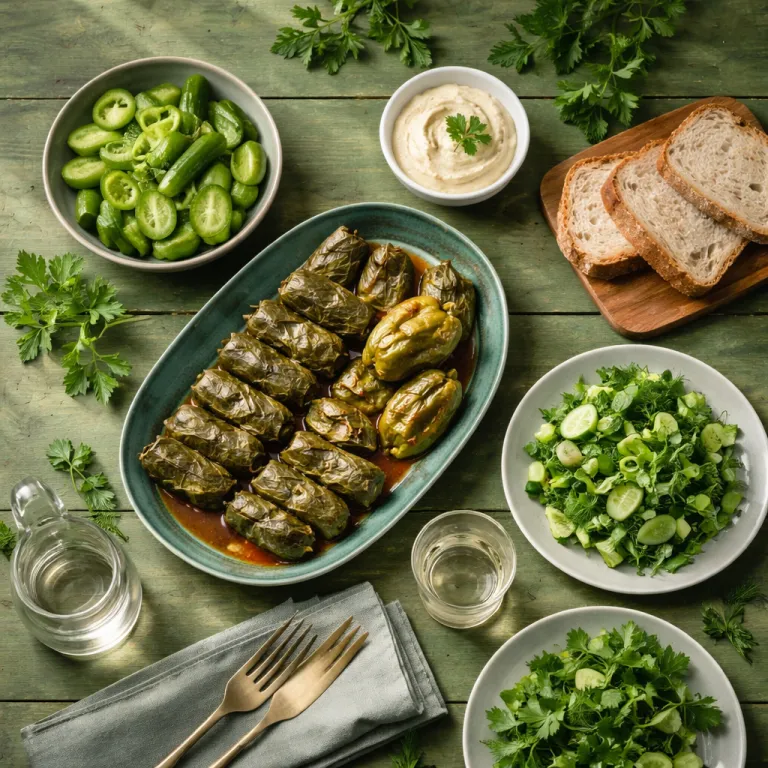
Traditional Serbian families start preparing early, using slow cooking, family recipes and often a wood fired oven that fills the stairwell with the smell of peppers and lamb. The average meal runs to around five courses of traditional cuisine, from clear beef soup and sarma to spit roasted pork, and this pace is what turns Sunday lunch into a cultural event rather than simple food. As one local guideline puts it without embellishment: “Be punctual, bring a small gift, engage in conversation.”
For visitors, the question mark is usually timing; you will find that locals sit down around midday and stay at the table until late afternoon. That means your long Sunday lunch should be the only fixed plan for that time in Belgrade, with the rest of the day left loose for a walk along the rivers or a quiet bar later. Choose a hotel located in the city centre so you can stroll to your chosen restaurant and back, letting the city’s rhythm rather than a rigid schedule dictate when you drink, talk and rest.
From Tri Šešira to Dragoljub: where tradition meets serious technique
To understand Belgrade’s Sunday ritual properly, start in Skadarlija at Tri Šešira, the heritage kafana that has served guests continuously since 1864 and still feels like the living room of old Belgrade. Located at Skadarska 29 in the bohemian quarter, it opens daily from late morning until after midnight, and a generous Sunday lunch with soup, roast and dessert typically costs from €18–25 per person. This is where traditional Serbian recipes arrive on heavy plates, with live tamburica music weaving between tables and a server who will quietly steer you toward the house roast if you look uncertain.
Across the river of trends, Dragoljub by chef Vanja Puškar reframes kafana classics with serious technique, turning the idea of Belgrade food into something both creative and rooted. Puškar, known from his work at New Balkan Cuisine, builds menus around local farms, so a Sunday lunch might mean slow braised beef cheek instead of simple stew, or a farm table style platter of vegetables sourced from micro producers instead of generic sides. This is elevated casual dining rather than stiff fine dining, and it suits premium families who want a restaurant where Asian inspired plates, vegetarian dishes and clearly marked vegan choices sit naturally beside traditional Serbian dishes.
For a deeper dive into how chefs are rethinking the national card of flavours, look at tasting menu rooms such as Enso, Salon 1905 and Langouste, which have helped push slow food culture into the mainstream of Belgrade. Seasonal vegetable led Sunday menus at Enso, for example, show how a restaurant can honour traditional cuisine while working almost entirely with micro producer ingredients and small family farms. You can read more about these tasting menus and how they are reframing Serbian cuisine in a detailed guide to Belgrade’s most ambitious dining rooms on this site.
Family friendly rooms: where children are part of the table, not an afterthought
Premium families planning a Sunday lunch in Belgrade need more than a famous name; they need a room where children are welcomed with the same warmth as grandparents. In Serbia’s capital, that often means choosing restaurants that feel like extensions of the home, with staff who will find an extra chair, adjust the table layout and quietly bring bread before anyone asks. When you browse hotel options in Belgrade, look for properties that maintain close relationships with these family led spots citywide, because their concierges know exactly which restaurant suits which age group.
Tri Šešira remains a strong option for multi generational groups, as the music, generous food and relaxed pace keep younger diners engaged without needing a dedicated kids’ menu. Another reliable spot is a casual dining room like Mama Restaurant in New Belgrade, where the atmosphere is informal, the cuisine mixes Serbian comfort dishes with lighter plates and the staff are used to families lingering over a long Sunday lunch. At Mama Restaurant and similar places, you will find both vegetarian and vegan plates alongside grilled meats, which helps when one child wants pasta while another experiments with traditional Serbian flavours.
Some of the best places for families sit slightly away from the tourist core yet remain central enough to reach on foot or with a short taxi ride. Ask your hotel to book a farm table style lunch in a restaurant that sources from local markets, where the card often changes weekly and the team can adapt portions for smaller appetites. In these rooms, the focus stays on good food and easy conversation, while the city outside slows to match the rhythm of your shared Sunday lunch.
How to behave at a Serbian Sunday lunch: rhythm, rakija and respect
Once you have chosen your Sunday lunch spot, the next step is understanding the unspoken choreography of the meal. Arrive on time in Belgrade style, which means punctual rather than fashionably late, especially if you are joining Serbian families or a popular restaurant with tightly spaced tables. Being on time shows respect for the hosts, whether they are relatives in a family home or a professional team in a city restaurant.
The rhythm usually starts with a clear soup, followed by meze plates, then a main course of roast meat or fish, and finally dessert with coffee or a digestif drink. Rakija, the national fruit brandy, often appears at the beginning or end of the meal, and you will find that declining the first pour politely is acceptable if you explain that you prefer wine or a soft drink. If you do accept, sip slowly rather than treating it like a shot, because a Belgrade Sunday lunch is a marathon, not a sprint.
Payment etiquette is straightforward in Belgrade; most restaurants accept a credit card, although it is wise to carry some cash for tips or smaller bars. When you settle the bill, remember that the person who invited usually pays, but splitting is increasingly common among younger diners in the city. If you are staying in a hotel located in the city centre, the concierge can often arrange for the restaurant to charge back to your room, which keeps the end of your long lunch as relaxed as the beginning.
What dishes are typically served at a Serbian Sunday lunch?
A classic Belgrade Sunday lunch usually starts with a clear beef or chicken soup, followed by meze plates of cured meats, cheeses and salads. The main course often features roast pork, lamb or veal with potatoes and seasonal vegetables, while dessert might be cakes, strudels or fruit preserves. In many restaurants across the city, you will find this traditional Serbian sequence adapted with lighter sides, meat free plates and even some Asian influenced dishes.
How long does a Sunday lunch in Belgrade usually last?
In both family homes and restaurants in Belgrade, a full Sunday lunch typically lasts around three hours. The pace is deliberate, with time between courses for conversation, a drink and sometimes live music in older kafana style rooms. When planning your day in the city, treat Sunday lunch as the main event rather than something to squeeze between sightseeing spots across town.
Is it customary to bring a gift if invited to a family lunch?
If you are invited to a private Sunday lunch in someone’s home, bringing a small gift is considered polite. Wine, flowers or high quality sweets are all appropriate, and hosts will appreciate the gesture even if they have already prepared plenty of food and drink. In restaurants, a warm thank you and offering to pay or share the bill with a credit card is usually enough.
Are there good options for vegetarians and vegans at Sunday lunch?
Traditional cuisine in Belgrade leans heavily on meat, but many modern restaurants now offer thoughtful vegetarian and vegan options. In the city’s creative dining rooms, you will find grilled seasonal vegetables, salads, bean stews and even plant based takes on classic dishes that fit naturally into a Sunday lunch. When booking through a hotel or checking menus on Google, look for places that highlight local produce and slow food, as they tend to treat meat free dishes with the same care as roasts.
Can I experience Sunday lunch through street food instead of a sit down meal?
Street food in Belgrade, from ćevapi stands to burek bakeries, offers a vivid snapshot of local flavours but does not replace the structure of a full Sunday lunch. The ritual depends on sitting at a table, sharing multiple courses and taking time to talk, which casual dining counters and takeaway bars cannot fully provide. For the richest cultural experience, enjoy street food on other days and reserve Sunday for a long, seated meal in one of the city’s restaurants or in a family home if you are lucky enough to be invited.
Beyond the capital: making Sunday lunch the anchor of your Serbian trip
Belgrade is the obvious stage for a first Sunday lunch, yet the ritual extends across Serbia in ways that reward travellers who go further. In smaller towns and spa destinations, Sunday meals lean even more heavily on local markets, wood fired cooking and farm table sharing, turning every course into a quiet lesson in regional food. Planning one of these lunches as the centrepiece of a weekend away can be as memorable as any museum or fortress tour in the city.
Families booking through a premium hotel platform should look for properties that understand this, from riverside addresses in Belgrade to countryside retreats where traditional cuisine shapes the entire stay. A good example is the new wave of wellness hotels in historic spa towns such as Vrnjačka Banja, where chefs build Sunday menus around seasonal vegetables, slow braises and house baked bread, echoing the slow food movement that has gained ground in the capital. You can explore how this plays out in detail in a feature on how Vrnjačka Banja, Serbia’s oldest spa town, is being reinvented for luxury wellness and long, restorative meals.
Wherever you go in Serbia, in Belgrade or beyond, the same principles apply; give the meal time, choose a restaurant that feels right for your family and let the table become the focus. Between courses, children can watch the choreography of servers, the glow of a wood fired oven or the flow of people through the bar, absorbing more about Serbian life than any guidebook could teach. Make one Belgrade Sunday lunch or its rural cousin the non negotiable anchor of your itinerary, and the rest of your trip will naturally arrange itself around that shared, unhurried table.