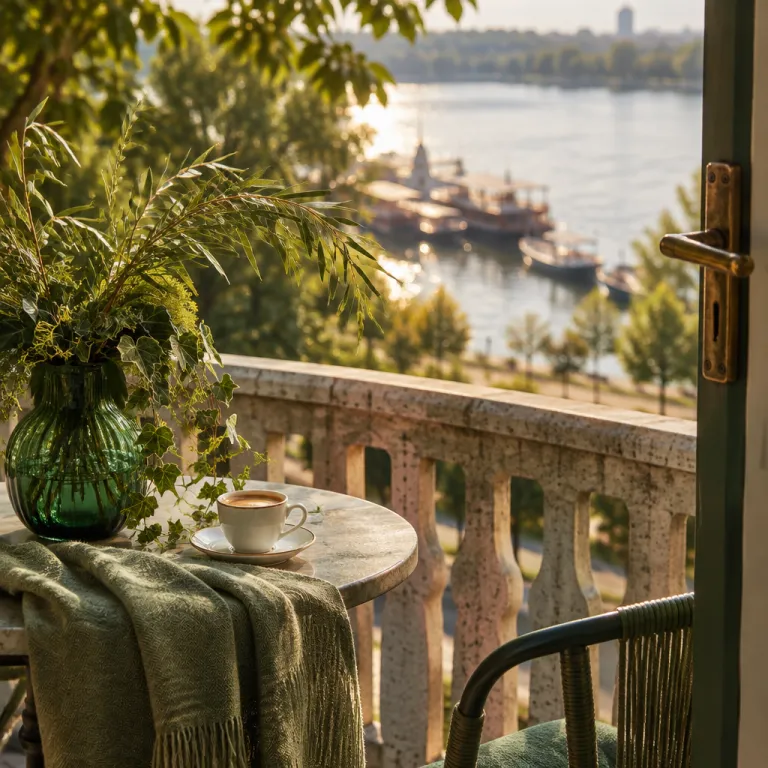
From hotel Jugoslavija to today’s belgrade yugoslavia hotels
Luxury travel in belgrade yugoslavia hotels begins with one legendary address. On the Danube riverside, the grand Hotel Jugoslavija stands as a bridge between socialist-era architecture and contemporary hospitality, giving guests a rare sense of continuity. Many travelers choose this historic hotel in Belgrade when they want both a tangible sense of Yugoslav history and generous river views.
When Hotel Jugoslavija opened in 1969, during a formative period for the Socialist Federal Republic of Yugoslavia, it was conceived as a national showcase for visiting dignitaries and international delegations, and its scale still impresses guests arriving from across Europe. The original building was designed by Croatian architect Lavoslav Horvat, whose vision combined monumental façades with refined interior details that reflected the spirit of the Non-Aligned Movement at that time. Staying here today, you feel how the city of Belgrade used this palace-like hotel as a stage for diplomacy, culture, and business.
Over time the Hotel Jugoslavija complex expanded with additional buildings, business offices, and leisure facilities that made it one of the most complete hotels in Belgrade, Serbia. This riverside landmark in Serbia hosted numerous state delegations and high-profile events, reinforcing its reputation among belgrade yugoslavia hotels as a symbol of prestige. One recent guest described walking through the marble lobby at dusk, watching river cruise ships glide past the windows, as “like stepping into a film set where Yugoslavia never quite ended.” Even as new tall buildings and glass towers rise around the Danube riverside, the Hotel Jugoslavija building remains a reference point for anyone mapping the evolution of luxury stays in the city.
Architectural heritage and grand hotels in city Belgrade
Understanding belgrade yugoslavia hotels means reading the city through its grand façades. In city Belgrade, each historic hotel building tells a story about a specific period, from the early royal decades to the socialist era and the transition to modern Serbia. Guests who appreciate architecture often plan their stay around these properties, using them as anchors for urban exploration.
While Hotel Jugoslavija represents the Yugoslav modernist and Non-Aligned Movement legacy on the Danube riverside, other hotels in Belgrade, Serbia, such as Hotel Moskva on Terazije Square, showcase an earlier, more ornate style with strong Central European influences. This palace-like hotel in Belgrade has an original façade that blends Art Nouveau lines with Serbian decorative details, and its interior salons remain a favorite meeting place for both travelers and local business guests. If you want an in-depth perspective on this landmark, a dedicated guide to a grand landmark stay in the heart of the city is an excellent starting point.
Across the city, several tall buildings from the socialist era were adapted into hotels, business offices, or mixed-use projects, reflecting how Belgrade balanced heritage with new commercial needs. Some of these buildings stand close to Palace Serbia, the vast government complex that defined the administrative center of Yugoslavia during a crucial time. When you compare these monumental structures with more intimate riverfront properties such as Hotel Danube or other three-star and four-star hotels, you see how belgrade yugoslavia hotels collectively narrate the city’s layered identity.
Riverside elegance along the Danube and Sava
For many guests, the most memorable belgrade yugoslavia hotels are those that embrace the water. The Danube riverside and the Sava quay form a natural amphitheater around the city, and several luxury hotels use this setting to frame panoramic views of Belgrade, Serbia. Choosing a hotel building along these banks means trading quick access to nightlife for tranquil sunsets and long riverside walks.
The historic Hotel Jugoslavija remains the most emblematic property on the Danube riverside, while newer hotels and three-star riverfront options cluster around the quay with floating restaurants and contemporary art venues. Some travelers prefer a Hotel Danube–style property, where every room faces the water and the design references the Yugoslavia period through subtle details rather than overt nostalgia. Others opt for international brands closer to the confluence, where business offices, residential towers, and hotel projects form a modern skyline that contrasts with the original socialist-era buildings.
On the Sava side, the transformation of the riverfront into a mixed-use district has attracted both luxury hotels and ambitious residential towers, with companies such as Millennium Team mentioned in connection with infrastructure and construction contracts in official Serbian business registries and local news reports. These projects have announced plans for new hotel Belgrade developments that will further diversify the offer of belgrade yugoslavia hotels, especially for guests who want direct access to shopping, dining, and conference facilities. If you are considering a slower, more reflective stay along the rivers, a detailed guide to refined stays in the heart of Belgrade can help you compare riverside elegance with central city convenience.
From socialist era prestige to contemporary luxury projects
Belgrade yugoslavia hotels cannot be separated from the political and economic shifts that shaped Yugoslavia and later Serbia. During the socialist era, large state-backed projects such as Hotel Jugoslavija, Palace Serbia, and other monumental buildings were designed to host international conferences, Non-Aligned Movement summits, and high-level delegations. These hotels functioned as both accommodation and soft power tools, projecting an image of modernity and stability.
Over time, as the political landscape changed, many of these buildings required extensive renovation, new management structures, or complete repositioning in the market. Some properties, including Hotel Jugoslavija, went through phases when only part of the building operated, while investors and the state negotiated how to balance heritage protection with commercial viability. In several cases, a hotel reopened after years of partial closure, offering updated rooms and services while preserving original architectural elements that still speak of the Yugoslavia period.
In recent years, international brands have entered the Belgrade hotel scene through partnerships with local company structures, often focusing on central locations or riverfront plots with strong development potential. One of the most discussed projects has been the proposed arrival of a Ritz-Carlton hotel in Belgrade, referenced in Serbian media reports and municipal planning announcements over the past decade; public information on these proposals has shifted over time, so details and timelines should be treated as indicative rather than final. While final configurations can change, these luxury projects signal how Belgrade, Serbia, positions itself as a regional hub for high-end business and leisure travel, complementing historic icons such as Hotel Jugoslavija and newer three-star and four-star properties.
How to choose among belgrade yugoslavia hotels for your stay
Selecting the right hotel in Belgrade starts with clarifying your priorities. If you value architectural heritage and a strong sense of place, staying in a historic building such as Hotel Jugoslavija or a palace-style property near the old center will immerse you in the Yugoslavia period and earlier royal decades. Travelers focused on nightlife and dining may prefer hotels near the Sava quay or central pedestrian streets, where contemporary art spaces, cafés, and business offices cluster together.
Business travelers often look for belgrade yugoslavia hotels with efficient transport links, reliable meeting rooms, and proximity to major company headquarters or government buildings. In this case, hotels near Palace Serbia, New Belgrade business towers, or the main bridges offer a practical balance between work commitments and evening leisure on the Danube riverside. Guests attending conferences or trade fairs should also check whether their chosen hotel Belgrade property provides shuttle services, dedicated business floors, or partnerships with nearby venues.
For travelers on a more moderate budget, three-star hotels in Belgrade, Serbia, can still deliver a strong sense of place, especially when housed in original buildings with character. Some three-star properties along the river or in residential districts offer larger rooms than newer towers, reflecting a time when space standards were more generous in Yugoslavia. When comparing options across belgrade yugoslavia hotels, pay attention not only to star ratings but also to renovation dates, guest reviews, and how each hotel describes its connection to the city’s history and culture.
Future of luxury hospitality in Belgrade and along the Danube
The next chapter for belgrade yugoslavia hotels will be written at the intersection of heritage preservation and ambitious new construction. Large-scale projects along the Danube riverside and Sava quay continue to reshape the skyline, with tall buildings that combine residential units, business offices, and hotel floors in a single tower. Companies such as Millennium Team and other Serbian and international partners have appeared in public tenders and investment announcements that include high-end hotels, retail galleries, and cultural venues.
For travelers, this means an expanding choice between staying in an original Yugoslavia-period building such as Hotel Jugoslavija or booking a room in a newly built tower with cutting-edge amenities. Some future projects reference global brands like Ritz-Carlton in official statements and press coverage, signaling an intention to position Belgrade, Serbia, alongside established luxury destinations in the region, although specific opening dates and final designs are still subject to change. At the same time, local architects and planners are increasingly attentive to how these hotels interact with public space, river promenades, and contemporary art initiatives that animate the city.
Slow travel trends also influence how visitors experience belgrade yugoslavia hotels, encouraging longer stays that go beyond a quick business trip or weekend break. Travelers who choose to spend more time in the city often combine a central hotel Belgrade stay with day trips along the Danube riverside, exploring historical sites, wine regions, and small river towns. For a deeper look at how seasonal rhythms shape travel in Serbia, a guide to how the country shifts tempo and where slow travel works best offers practical context for planning your itinerary.
Key statistics on Belgrade hotels and Serbian tourism
- According to the Statistical Office of the Republic of Serbia, Belgrade recorded more than 1.3 million tourist arrivals in 2022, with international guests accounting for over 80 percent of overnight stays, which underlines the importance of belgrade yugoslavia hotels for inbound tourism; readers should consult the latest official releases for updated figures.
- Data from the National Tourism Organisation of Serbia indicate that hotel capacity in Belgrade exceeds 15,000 registered beds, spread across luxury, mid-range, and three-star properties, giving travelers a wide spectrum of price points and service levels; exact numbers vary slightly from year to year.
- New Belgrade and the wider Danube riverside corridor host a growing share of the city’s four-star and five-star rooms, with municipal planning documents and investment reports showing a steady increase in mixed-use projects that combine hotels, business offices, and residential towers.
- Before global travel disruptions in 2020, Belgrade Nikola Tesla Airport reported annual passenger growth rates above 5 percent for several consecutive years, a trend that supported investor interest in new hotel Belgrade developments and renovations of existing Yugoslavia-period buildings; more recent statistics are available in the airport’s official traffic reports.
- Industry analyses by regional hospitality consultants highlight that average daily rates in top-tier belgrade yugoslavia hotels remain competitive compared with other Central and Eastern European capitals, which attracts both leisure guests and international business events.
FAQ about belgrade yugoslavia hotels
Which areas are best for first time visitors booking hotels in Belgrade Serbia ?
First time visitors usually choose hotels in the historic center around Knez Mihailova Street, Republic Square, and Terazije, or stay in New Belgrade near the river and business towers. Central hotels offer easy walking access to museums, restaurants, and nightlife, while New Belgrade properties provide modern rooms, larger conference spaces, and quick access to the airport. Both areas are well connected by public transport and taxis, so you can move between them in about 10 to 20 minutes.
How does hotel Jugoslavija compare with newer luxury hotels in the city ?
Hotel Jugoslavija stands out among belgrade yugoslavia hotels for its monumental architecture, Danube riverside location, and strong historical associations with the Yugoslavia period. Newer luxury hotels often provide more contemporary room design, larger wellness centers, and integrated business facilities, but they cannot replicate the original atmosphere of this landmark building. Travelers who value heritage and river views tend to favor Hotel Jugoslavija, while those prioritizing cutting-edge amenities may opt for recently built towers.
Are three star hotels in Belgrade a good option for longer stays ?
Three-star hotels in Belgrade, Serbia, can be an excellent choice for longer visits, especially when located in residential neighborhoods or along quieter sections of the river. Many of these properties occupy older buildings with relatively spacious rooms, which suits guests planning multi-week stays or remote work. When evaluating options, focus on recent renovation dates, guest reviews about noise levels, and proximity to public transport rather than star rating alone.
What should business travelers look for when choosing a hotel in Belgrade ?
Business travelers should prioritize belgrade yugoslavia hotels with reliable Wi-Fi, flexible meeting spaces, and convenient access to major business offices or government buildings. Properties in New Belgrade near Palace Serbia, the main bridges, and corporate towers often provide the best balance between work and leisure, with quick routes to the airport. Checking whether a hotel offers early breakfast, express check-out, and airport transfer services can also make a significant difference on tight schedules.
Is it better to stay near the river or in the historic center ?
Staying near the Danube riverside or Sava quay offers calmer surroundings, wide views, and easy access to river promenades, which many guests find ideal for evening walks or morning runs. The historic center, by contrast, places you within a short walk of museums, theaters, and most nightlife, but streets can be livelier and sometimes noisier. Many travelers split their time between both areas, starting in a central hotel Belgrade property and then moving to a riverside hotel for a more relaxed final few days.
References
- Statistical Office of the Republic of Serbia – official tourism and accommodation data, including annual releases on arrivals and overnight stays.
- National Tourism Organisation of Serbia – reports on visitor numbers, hotel capacity, and market trends for Belgrade and other destinations.
- City of Belgrade urban planning documents and investment reports related to riverfront and hotel development, available through municipal information portals.